Wabi Sabi Bench: Embracing Imperfection in Furniture Design
I’ll be honest, the first time I seriously thought about wabi sabi bench, it was because something in my own space irritated me every morning. Once I fixed that one thing, the rest of the room started to make sense. Here I want to walk through the wabi sabi bench ideas I keep coming back to, the ones that held up after months of actual use.
What is a Wabi Sabi Bench?
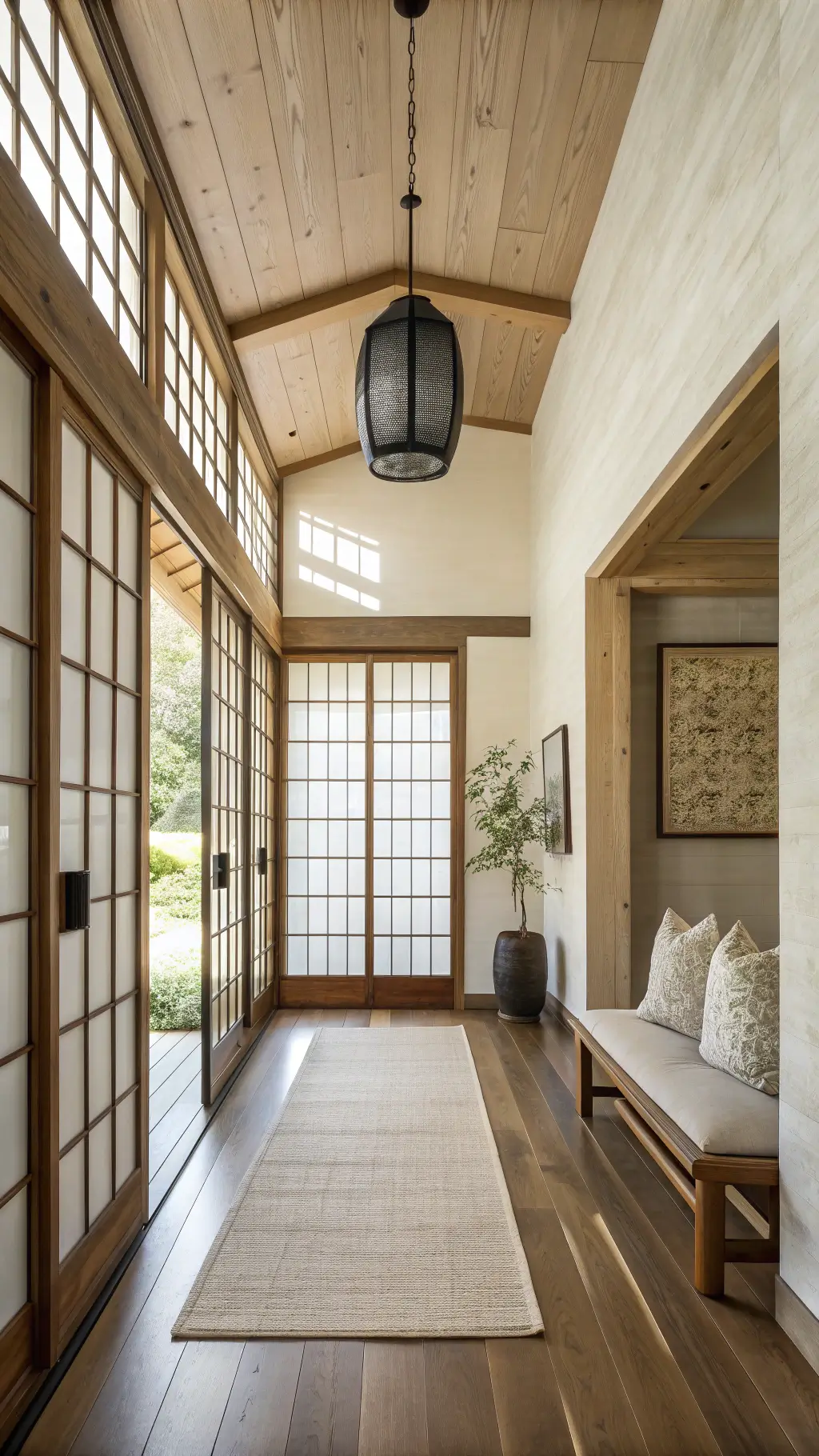
Imagine a bench that doesn’t hide its scars but celebrates them. A wabi sabi bench is more than just a piece of furniture—it’s a philosophy transformed into a functional art form.
Core Principles of Wabi Sabi Design
Key characteristics that define a true wabi sabi bench:
- Celebrates imperfection as ultimate beauty
- Embraces natural aging and wear
- Prioritizes simplicity over elaborate decoration
- Honors the inherent character of materials
Choosing the Right Materials
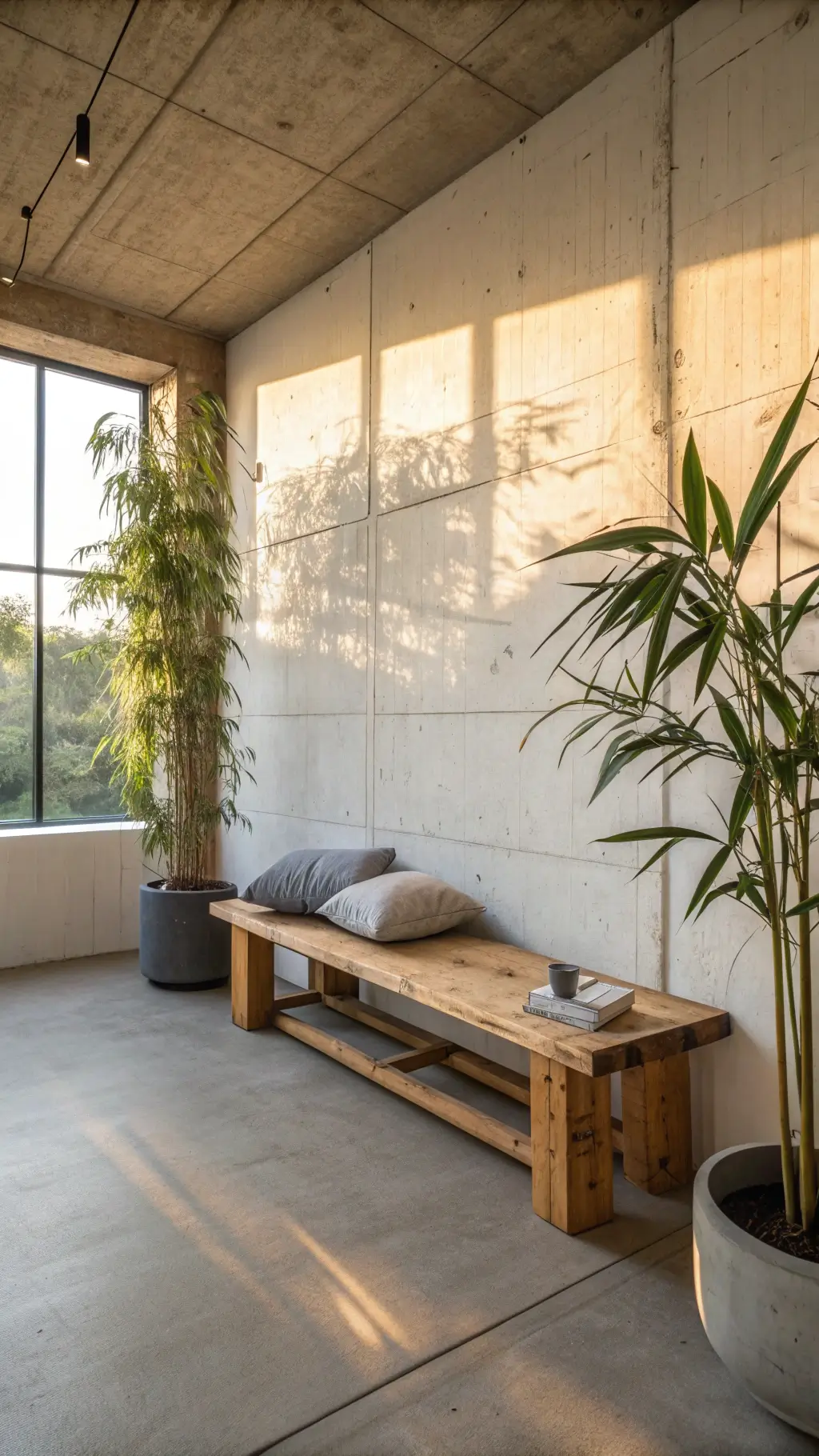
Perfect materials for a wabi sabi bench include:
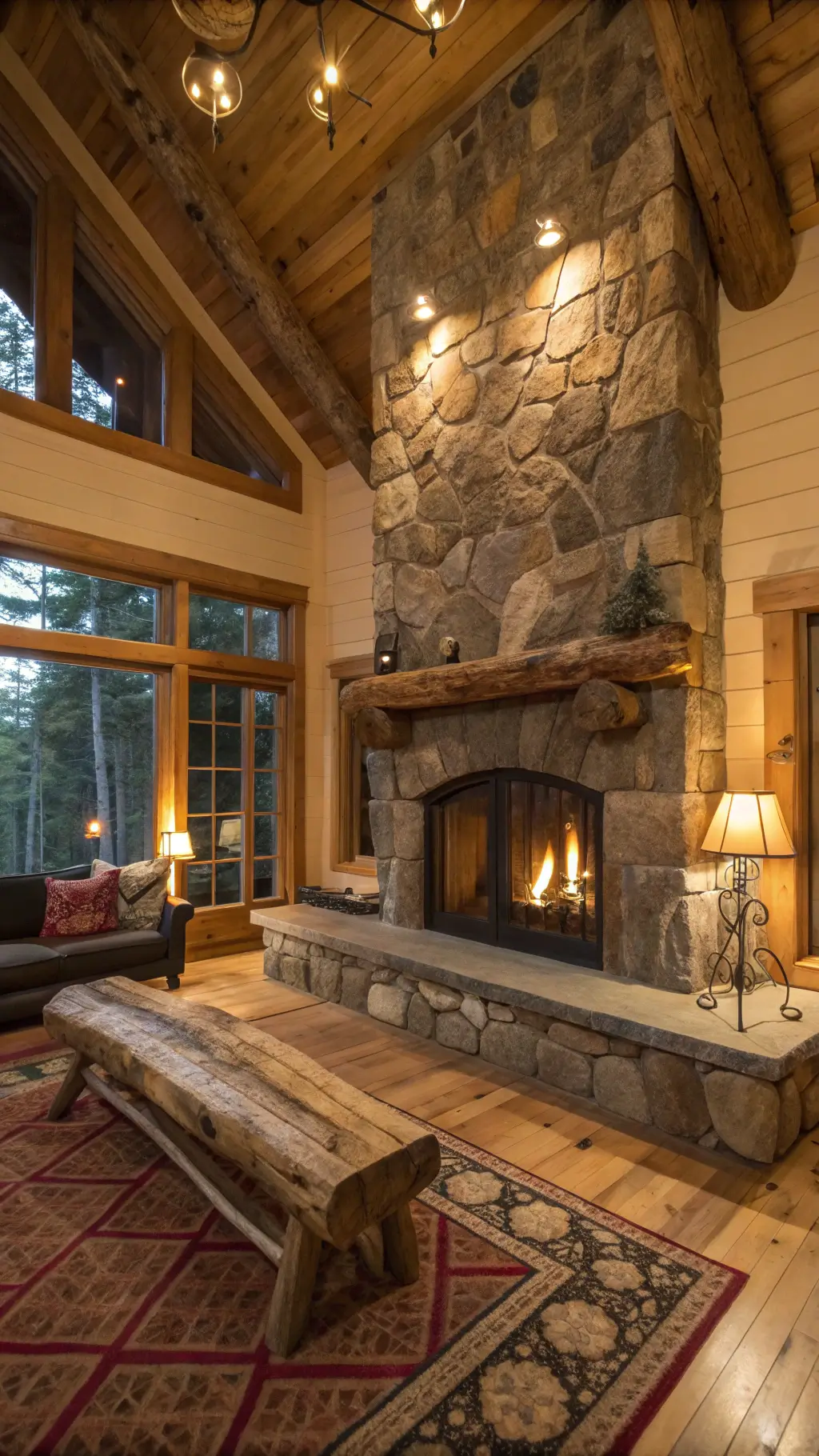
- Solid, unfinished wood (pine, walnut, reclaimed timber)
- Natural stone elements
- Weathered wood with visible grain and patina
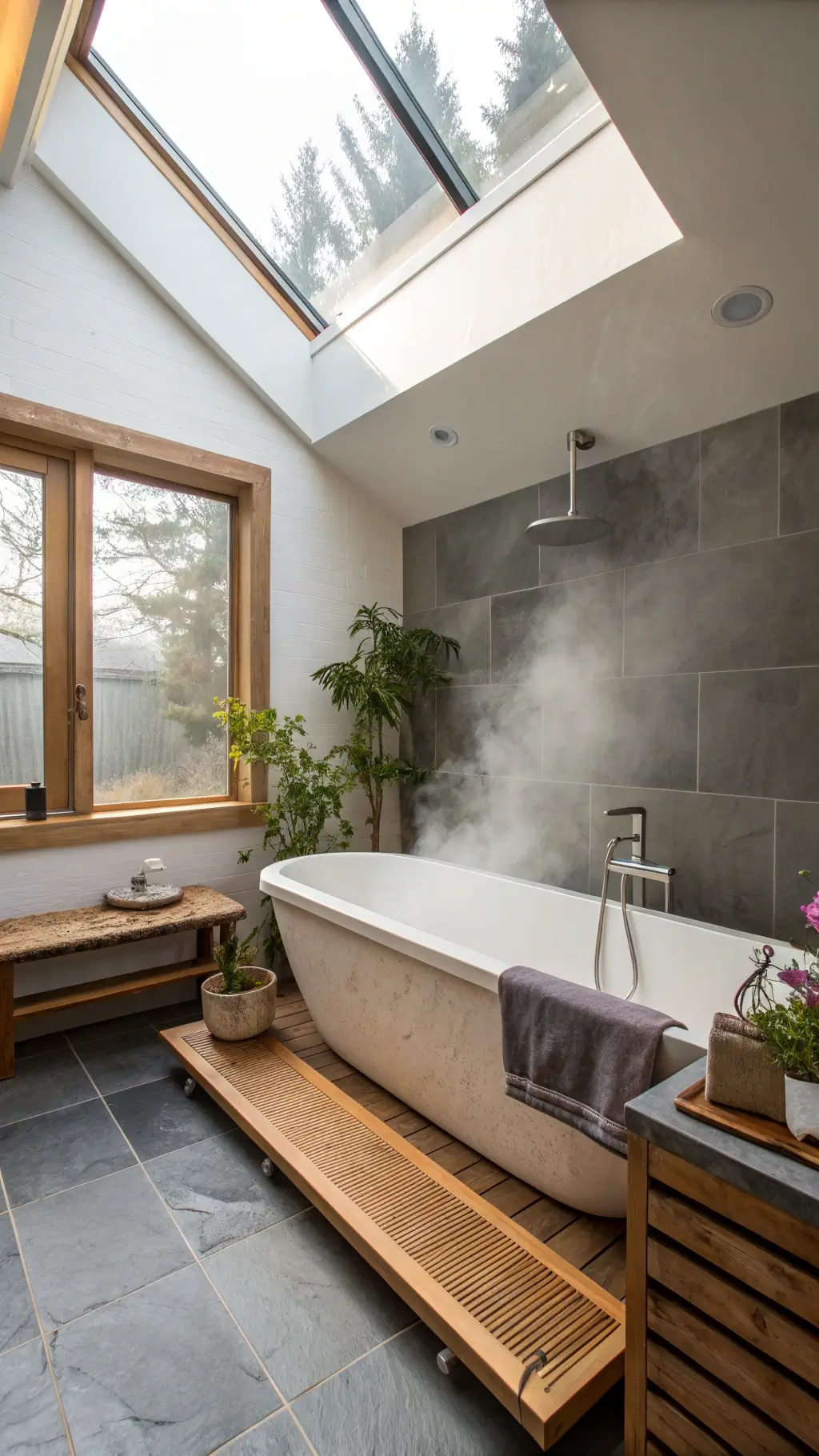
- Minimally treated surfaces that showcase raw textures
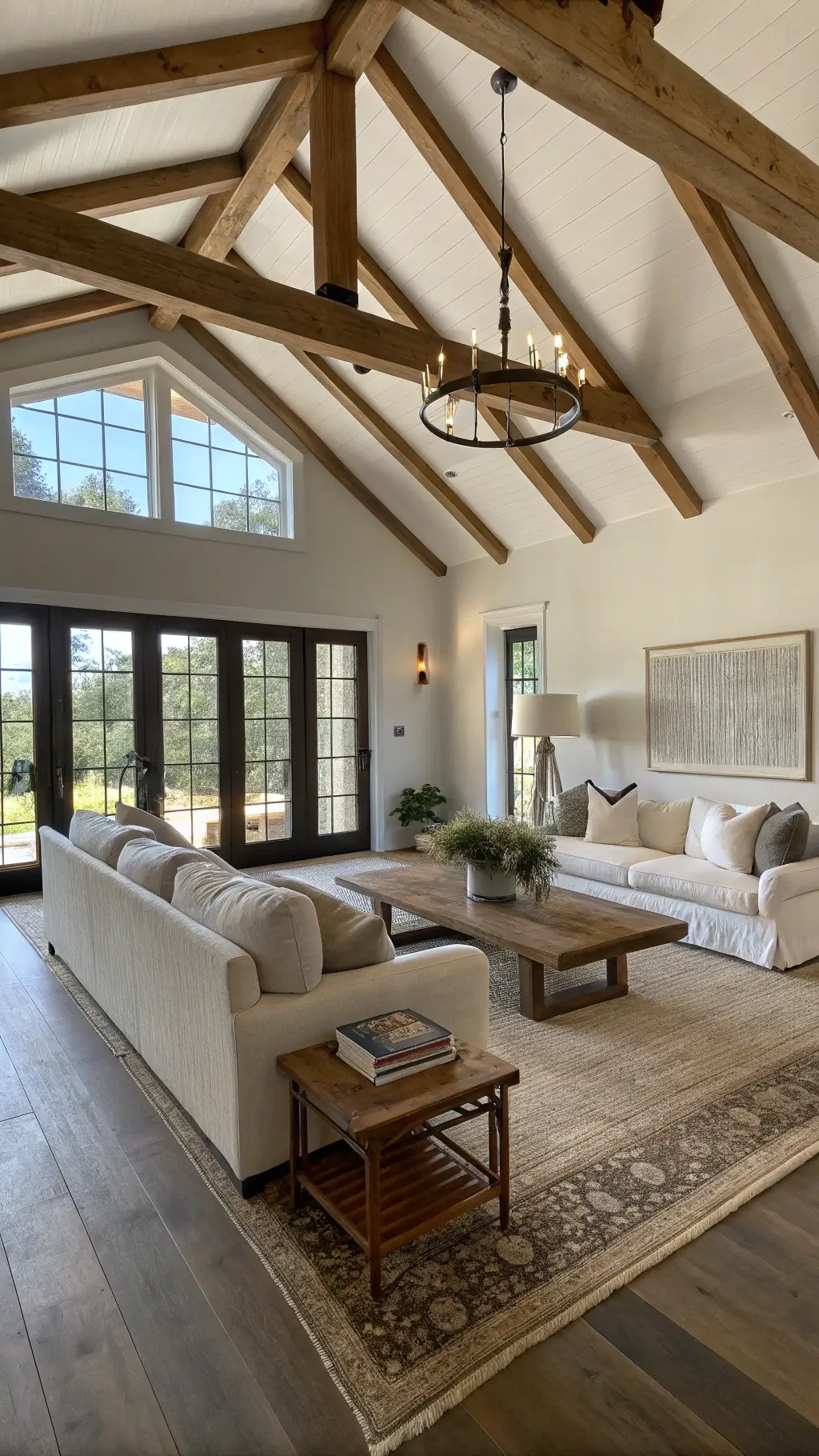
If the look works for you here, our wabi sabi garden, wabi sabi painting, and wabi sabi home decor walk through related moves for nearby rooms.
Design Elements That Capture the Wabi Sabi Spirit
Signature Features to Look For:
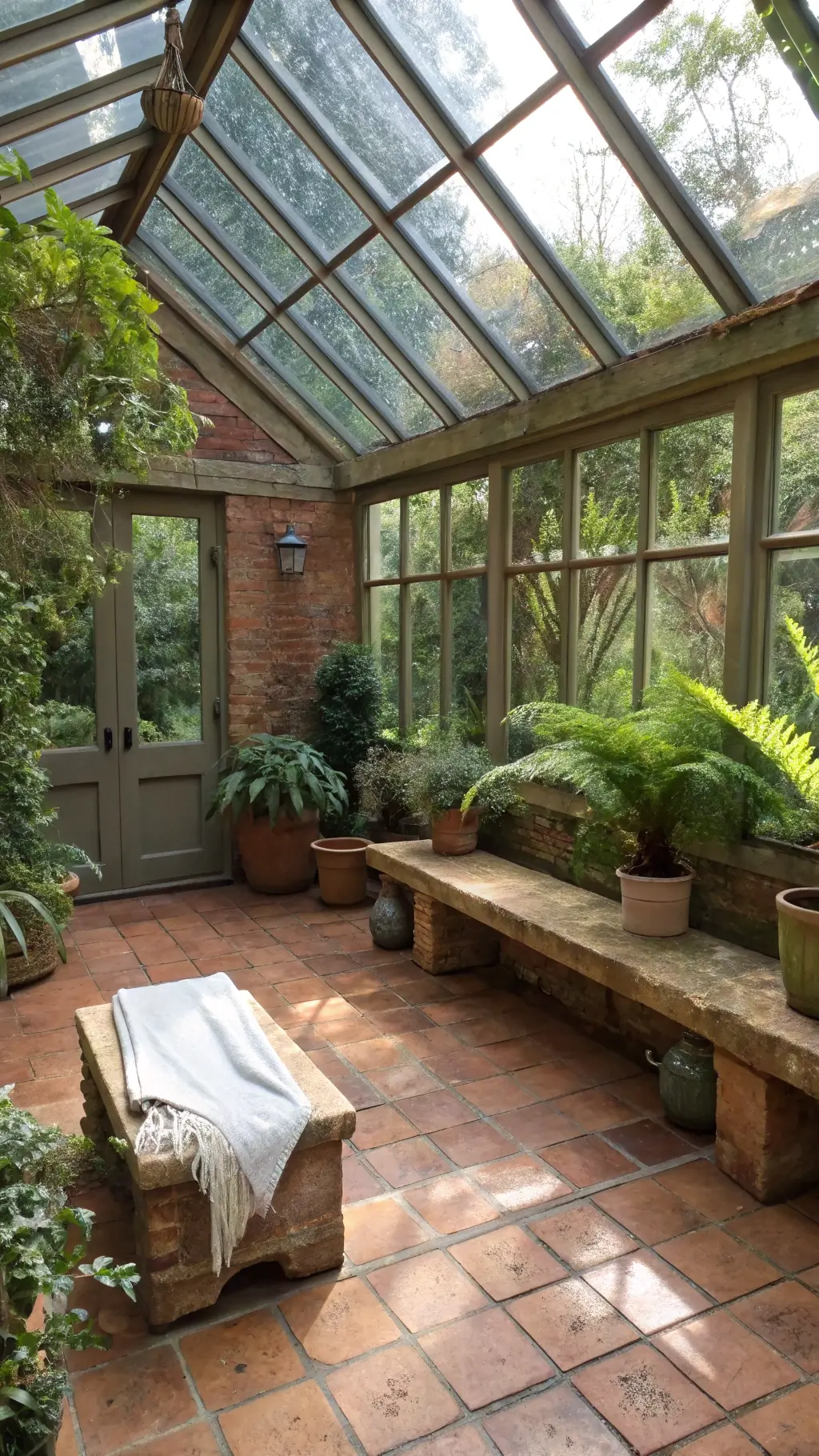
- Irregular edges: Embrace natural, uncut contours
- Visible joinery: Highlight traditional craftsmanship
- Organic textures: Let wood grains and knots shine
- Minimalist silhouettes: Simple lines, powerful presence
Practical Styling Tips
Where to place your wabi sabi bench:
- Entryways with natural light
- Meditation corners
- Garden spaces
- Minimalist living rooms
Styling Recommendations:
- Use single natural fiber cushions sparingly
- Surround with organic accessories
- Keep decor minimal and intentional
- Allow negative space to breathe

For more of the same feel in other spaces, our wabi sabi painting, wabi sabi garden, and wabi sabi home decor cover related ideas you can borrow.
DIY Wabi Sabi Bench Creation
Simple steps to create your own:
- Source reclaimed or natural wood
- Lightly sand rough edges
- Preserve natural knots and imperfections
- Apply minimal oil treatment if desired
- Celebrate the unique character of your materials
Finding Inspiration
Best places to explore wabi sabi bench designs:
- Instagram design accounts
- Etsy handmade furniture shops
- Japanese design galleries
Pro Tips for Authentic Wabi Sabi Aesthetic
- Less is more: Avoid over-processing materials
- Respect the material’s history: Each mark tells a story
- Prioritize craftsmanship over perfection
- Embrace natural aging processes
Final Thoughts
A wabi sabi bench isn’t just furniture—it’s a meditation on beauty, imperfection, and the profound elegance of natural aging.
The true magic lies in understanding that every crack, every weathered surface, every asymmetrical line is not a flaw, but a testament to the object’s journey through time.
Good wabi sabi bench rarely arrives in one big weekend. It shows up as a few honest choices you stop noticing because they just work. Start with the one friction point you complain about most, fix that, and let the rest follow when the budget or energy shows up.