Wabi sabi, a Japanese aesthetic philosophy that celebrates imperfection, impermanence, and natural beauty, offers a transformative approach to garden design. This collection of 25 wabi sabi garden inspirations reveals how embracing weathered textures, organic growth, and subtle changes can create deeply peaceful outdoor spaces. Each garden tells a unique story of harmony, simplicity, and connection to nature, inviting us to slow down and appreciate the beauty of life’s natural rhythms and gentle transitions.
1. Serene Imperfect Garden
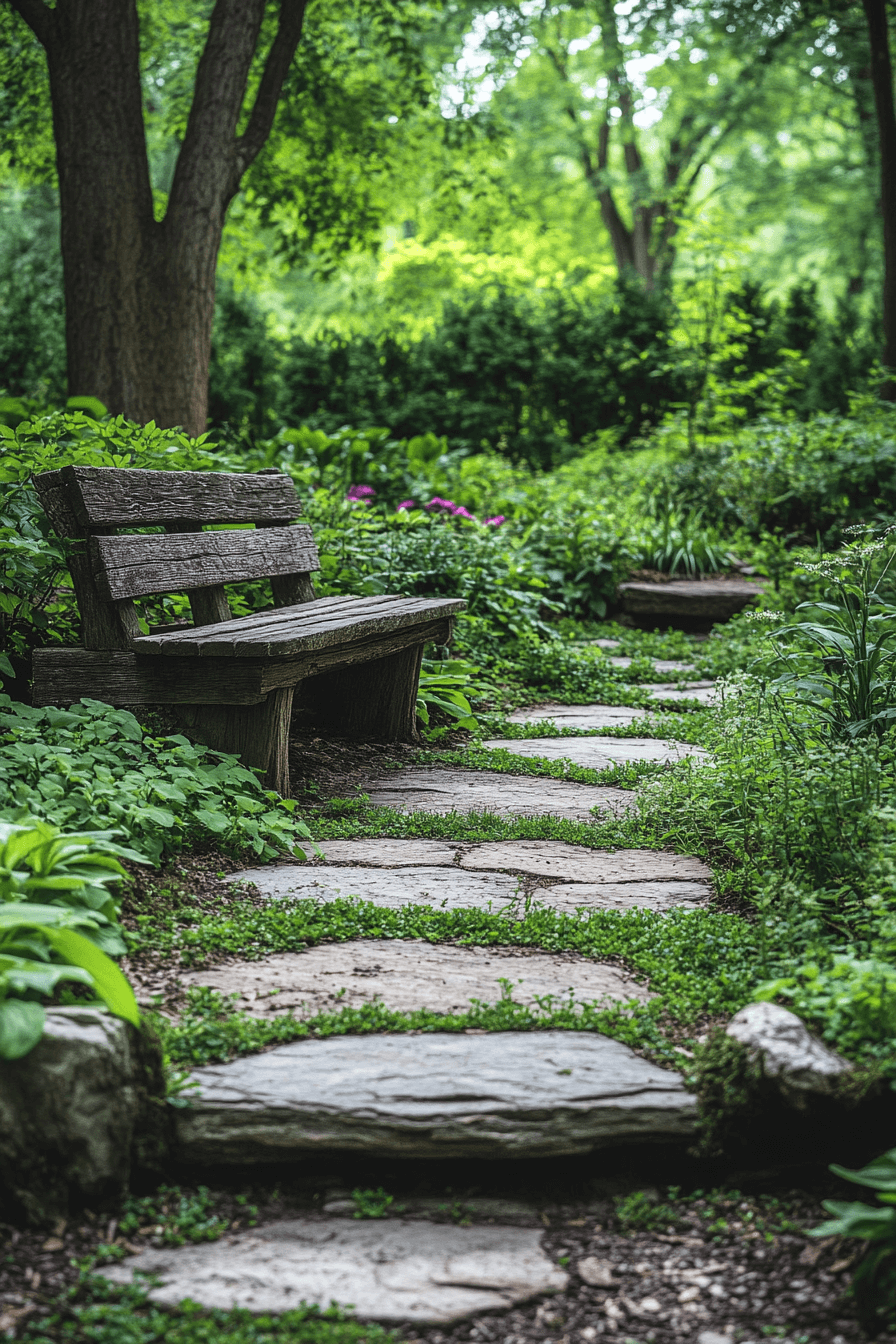
A sense of quiet grounding fills this wabi sabi garden, where weathered materials and gentle plant growth create an atmosphere that feels lived in rather than styled. Stones soften with age, plants wander freely, and nothing competes for attention. The space encourages slow movement and thoughtful pauses instead of visual stimulation. Time becomes a design element rather than something to hide. This garden feels deeply human and emotionally calming.
2. Organic Calm Landscape

Natural softness defines this wabi sabi garden through moss-covered surfaces that slowly transform stone, soil, and wood into layered living textures. The muted greens offer visual rest while highlighting the quiet persistence of growth. Nothing feels rushed or forced, creating a space that rewards patience and presence. Shaded corners invite reflection rather than distraction. The atmosphere feels cool, grounded, and restorative.
For more of the same feel in other spaces, our wabi sabi home decor, wabi sabi apartment, and wabi sabi painting cover related ideas you can borrow.
3. Nature Led Design

Rather than symmetry, this wabi sabi garden relies on organic balance created through irregular spacing and intuitive placement. Curved pathways guide movement gently while stones and plants appear naturally settled into place. The layout feels complete without feeling controlled. This approach removes pressure and replaces it with ease. The result is calming rather than decorative.
4. Slow Flow Garden

A gentle sense of warmth emerges in this wabi sabi garden where handcrafted details and spontaneous plant growth coexist effortlessly. Twisting vines, softened edges, and quiet water movement introduce lightness without disrupting calm. The space feels welcoming rather than curated. Small discoveries unfold as you move through the garden. Every detail feels personal instead of perfect.
5. Timeless Earth Retreat

Grounded materials shape this wabi sabi garden through sun-worn stone, raw clay vessels, and naturally shifting surfaces. The palette feels earthy and stable, creating a strong connection to the land itself. Signs of aging are embraced rather than hidden. Each element grows more beautiful with time. The environment feels honest and reassuring.
When you’re ready to keep going, our wabi sabi garden, wabi sabi bench, and wabi sabi pendant round up similar ideas from other rooms worth a look.
6. Gentle Asymmetry Yard

Woodland influence defines this wabi sabi garden through layered greenery, fallen branches, and naturally decomposing textures. Decay becomes part of the life cycle rather than something to remove. The garden feels calm, shaded, and deeply restorative. Nothing feels ornamental, yet everything feels intentional. The atmosphere mirrors the quiet resilience of a forest floor.
7. Textured Stillness Space

Flow replaces formality in this wabi sabi garden as curved paths and relaxed plant groupings create seamless movement. Straight lines are avoided in favor of gentle transitions that encourage slowing down. Each section blends into the next without interruption. The experience feels intuitive and forgiving. Visual harmony emerges naturally.
8. Raw Beauty Garden

Texture becomes the emotional language of this wabi sabi garden through layered bark, stone, gravel, and foliage. Each surface offers contrast without visual overload. The garden invites touch, sound, and awareness rather than observation alone. Sensory depth replaces decoration. The experience feels immersive and grounding.
9. Natural Pause Sanctuary

Weight and stillness anchor this wabi sabi garden through thoughtfully placed stone that balances softer elements. Larger rocks feel settled and permanent, while smaller stones guide quiet movement. Placement feels instinctive rather than engineered. The composition supports calm reflection. The space feels stable and peaceful.
10. Moss Covered Calm

Unrestrained plant growth shapes this wabi sabi garden by allowing nature to follow its own timing. Native flowers rise and fade without interference. Grasses sway freely through the seasons. The garden remains dynamic rather than fixed. Change becomes part of the beauty.
11. Quiet Movement Landscape

Small areas of stillness define this wabi sabi garden through intimate corners designed for rest and reflection. A weathered bench or shaded nook becomes meaningful through simplicity. There is no need for focal drama. The space feels personal and calm. Silence becomes an asset.
12. Aged Grace Outdoors

Curves guide experience in this wabi sabi garden as paths follow natural movement instead of straight direction. Each bend slows the pace and invites awareness. The layout feels guided by the land itself. Movement becomes gentle and unhurried. Calm emerges through flow.
13. Grounded Simplicity Garden

Pebble pathways turn walking into ritual within this wabi sabi garden by grounding attention through sound and texture. Stones shift beneath each step, encouraging presence. The rhythm becomes meditative rather than functional. Movement feels intentional. Awareness deepens naturally.
14. Whispered Nature Space

Authenticity defines this wabi sabi garden through unrefined materials that show wear without apology. Weathered wood and raw stone offer quiet strength. Imperfections feel purposeful rather than flawed. The design feels sincere and enduring. Nothing competes for attention.
15. Balanced Wild Garden

Fluid transitions shape this wabi sabi garden through rounded forms and gentle water movement. Visual continuity replaces contrast. Stillness and motion exist together. The atmosphere remains calm and alive. Balance feels effortless.
16. Elemental Flow Yard

Time leaves its mark throughout this wabi sabi garden as cracked surfaces and softened edges tell a quiet story. Aging becomes part of the design language. Each imperfection adds emotional depth. The garden feels lived in rather than staged. History enriches the space.
17. Calm Rooted Design

Unfinished details define this wabi sabi garden by removing pressure for completion or perfection. Relaxed growth and uneven textures invite acceptance. The design encourages calm through restraint. Everything feels present. Simplicity becomes comforting.
18. Soft Stone Garden

Environmental forces shape this wabi sabi garden organically through sun, wind, and rain. Surfaces soften naturally over time. The design feels minimal yet expressive. Nature leads rather than follows. Each feature belongs.
19. Honest Outdoor Harmony

Grasses bring motion into this wabi sabi garden through gentle sway and sound. The space feels alive without disruption. Rhythm replaces stillness. Calm remains intact. The garden breathes with movement.
20. Weathered Calm Retreat

Layered greens define this wabi sabi garden through harmony rather than contrast. Shades blend gently without visual tension. Color becomes atmosphere. The palette promotes rest. Calm settles naturally.
21. Subtle Nature Balance

Loose boundaries give this wabi sabi garden expressive freedom by allowing plants to intermingle naturally. Growth feels joyful rather than restrained. Structure softens over time. Energy remains balanced. Nature leads the composition.
22. Earth Toned Sanctuary

Muted hues shape this wabi sabi garden with understated elegance that calms the senses. Soft tones blend seamlessly into the environment. Nothing demands attention. Balance feels effortless. Stillness becomes visual.
23. Organic Peace Garden

Seasonal change defines this wabi sabi garden through evolving textures and growth patterns. Nothing remains static. Each season adds depth. Impermanence becomes beauty. The garden tells an ongoing story.
24. Time Held Landscape

Barefoot pathways create intimacy within this wabi sabi garden through moss and smooth stone textures. Each step encourages grounding. Sensory awareness deepens naturally. The experience feels personal and calm. Nature becomes immediate.
25. Gentle Nature Escape

Relaxed borders define this wabi sabi garden through softened edges and natural overflow. Plants wander freely without restriction. Structure yields to growth. Calm remains present. The design breathes easily.
A wabi sabi garden is a beautiful reminder that growth happens naturally over time. With evolving textures changing plants and organic details this style creates a space that feels calm and meaningful. A wabi sabi garden allows you to enjoy each stage of growth without pressure for perfection. These ideas show how gardens can bring comfort joy and balance to everyday life. When you create a wabi sabi garden you will love watching it grow season after season.
Looking back, the wabi sabi garden that stuck in my own home were never the flashiest. They were the ones tied to a real habit, like where I drop my keys or how I sit in the evening. Pick the change you’ll feel every day, and the room starts to feel like yours instead of a picture.