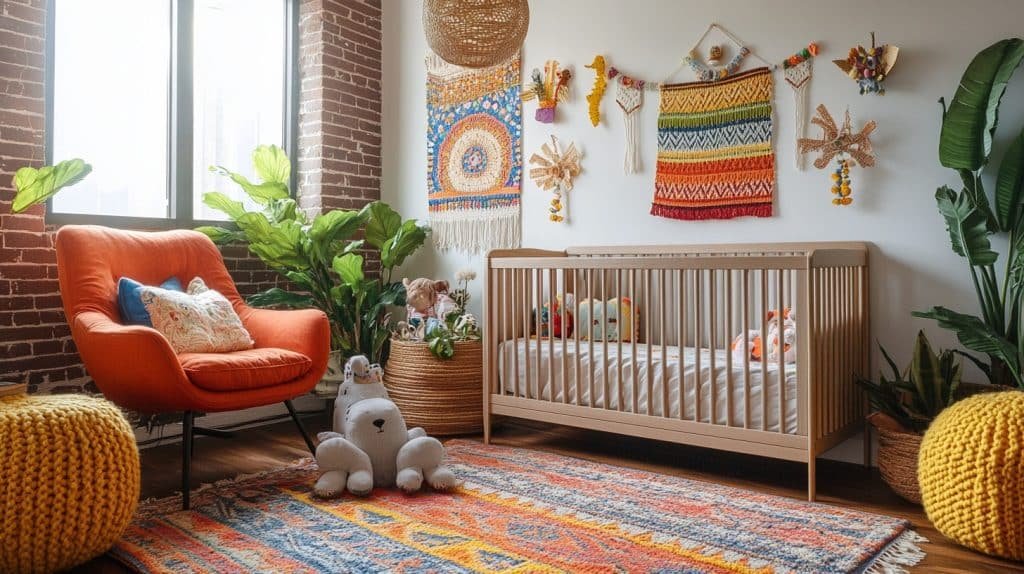
Mastering Space Illusions: The Power of Color and Lighting in Design
My neighbor redid her color and lighting for illusions of space last spring, and I stood in her doorway longer than was polite. It wasn’t the expensive moves that got me, it was the small, specific choices. That’s what I’m focusing on, the color and lighting for illusions of space details worth stealing and the ones you can safely skip.
The secret weapon of designers isn’t just furniture or square footage—it’s the magical interplay of color and lighting that can transform any space from claustrophobic to breathtaking.

How Color Tricks Your Eyes
Colors aren’t just pretty decorations. They’re psychological manipulators that can literally reshape your perception of space.
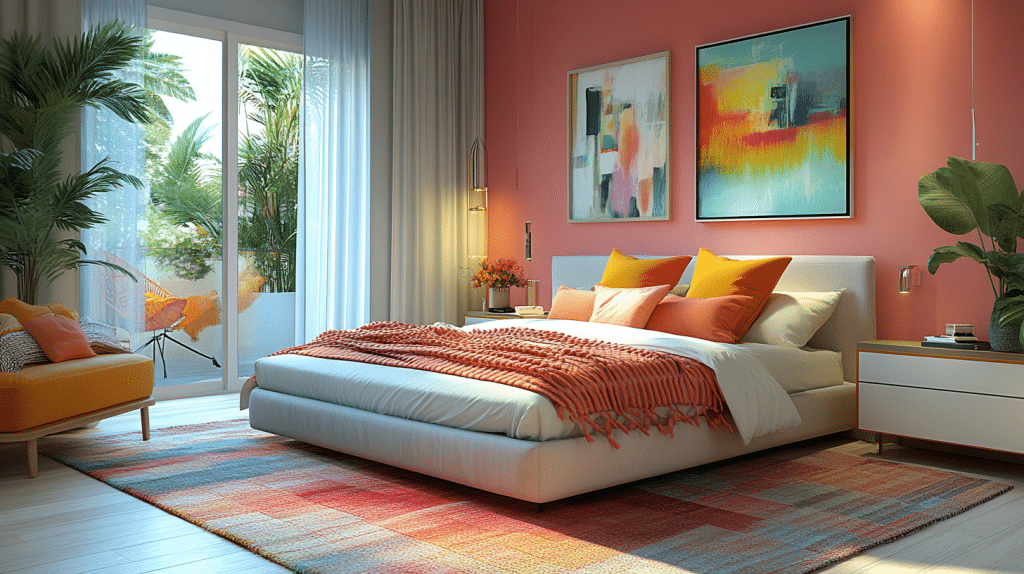
🔹 Warm Colors: The Space Shrinkers
- Reds, oranges, and yellows visually “advance”
- Make elements feel closer and more prominent
- Create a cozy, intimate atmosphere
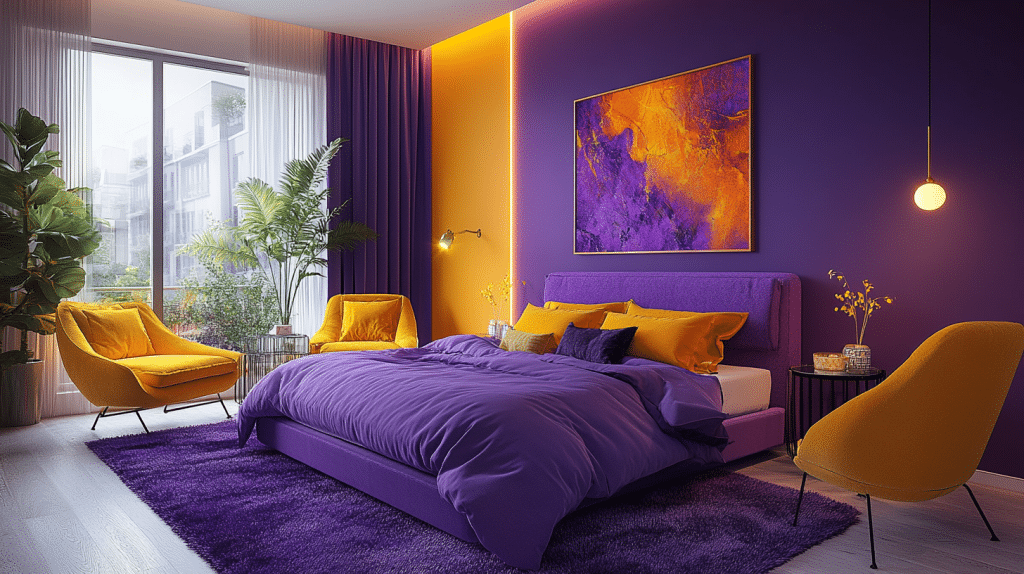
🔹 Cool Colors: The Space Expanders
- Blues, greens, and purples “recede”
- Generate a sense of depth and openness
- Make rooms feel larger and more airy

Strategic Color Placement
Pro Designer Tip: Your walls are your canvas for spatial manipulation.
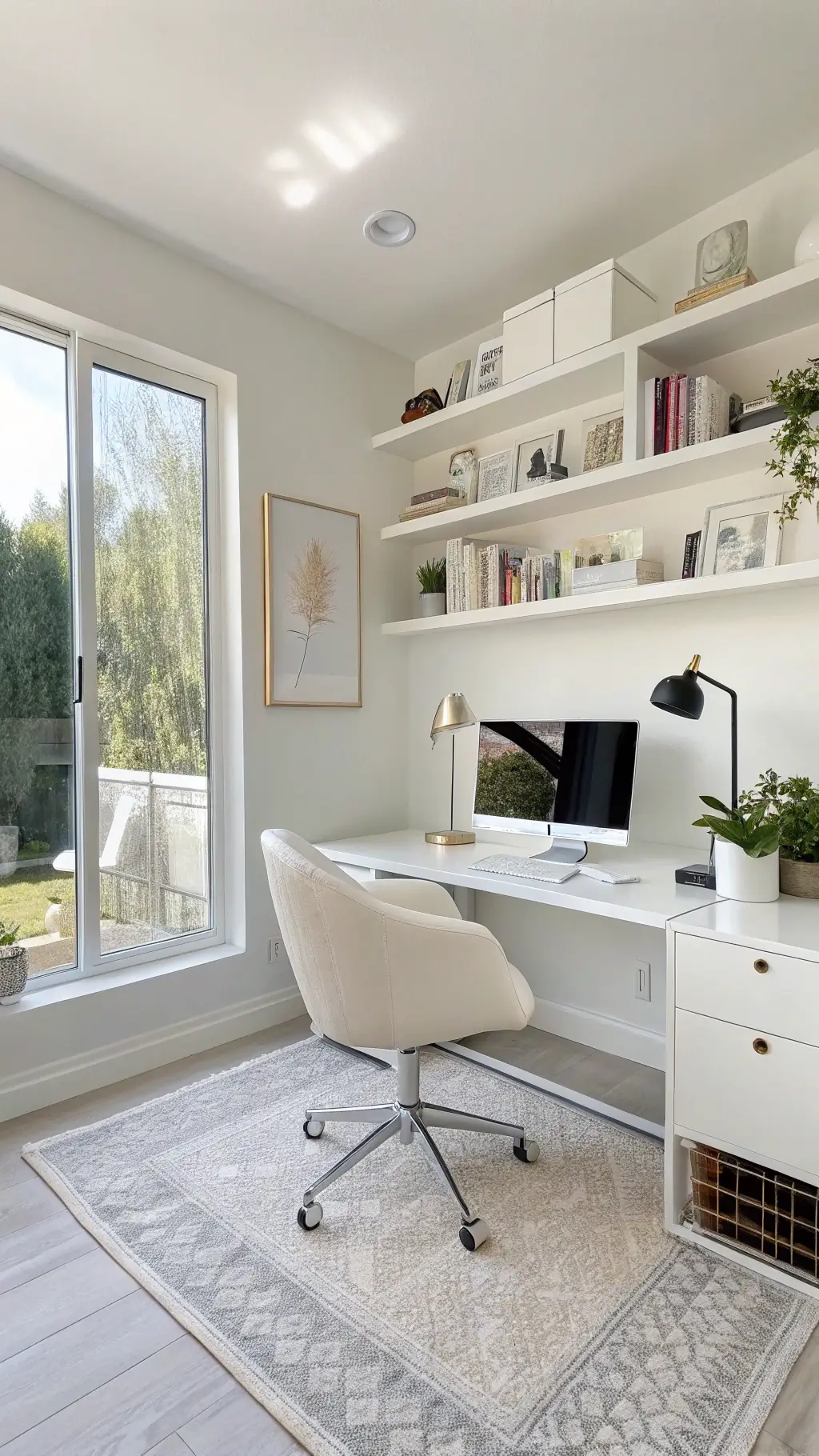
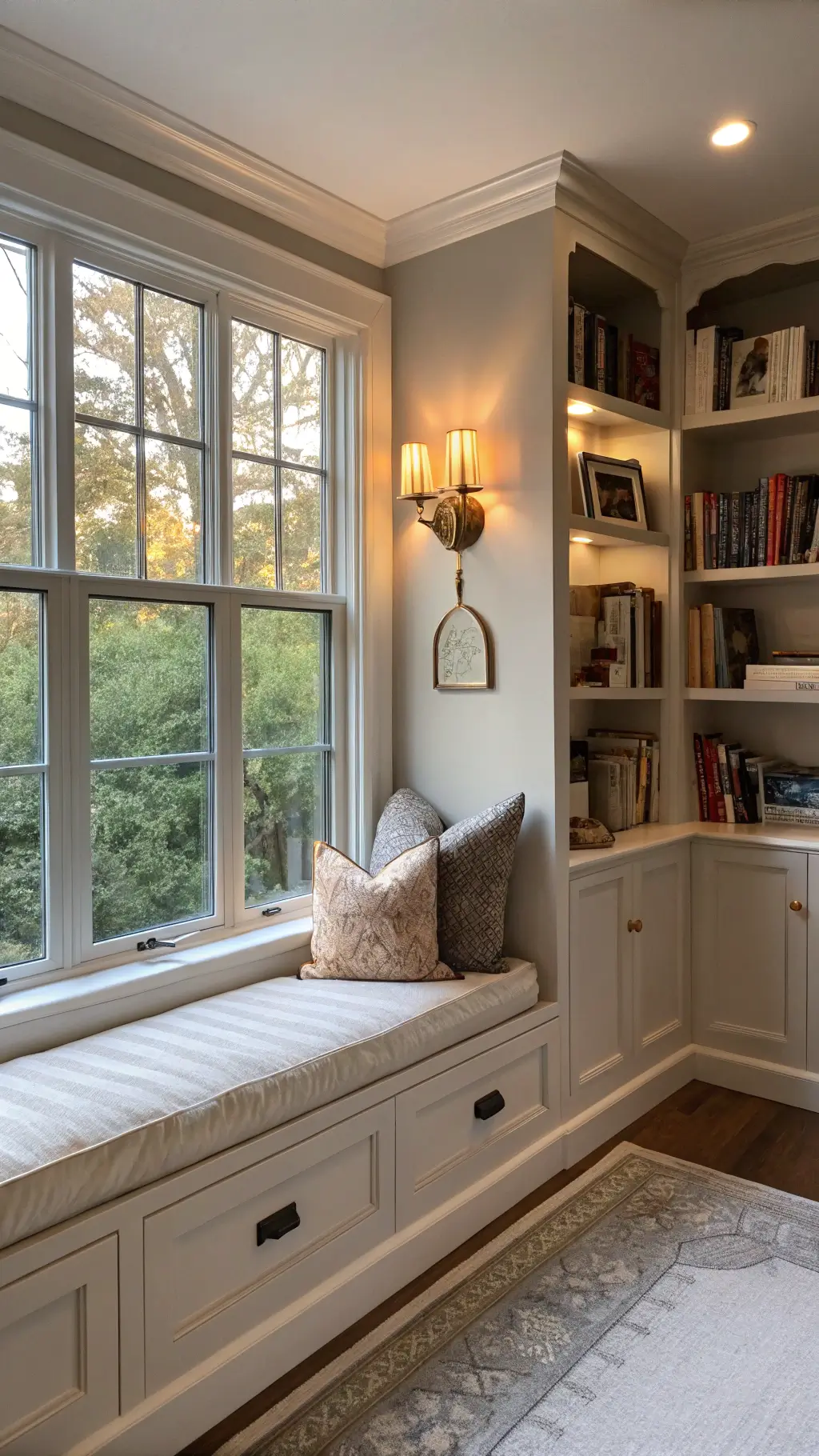
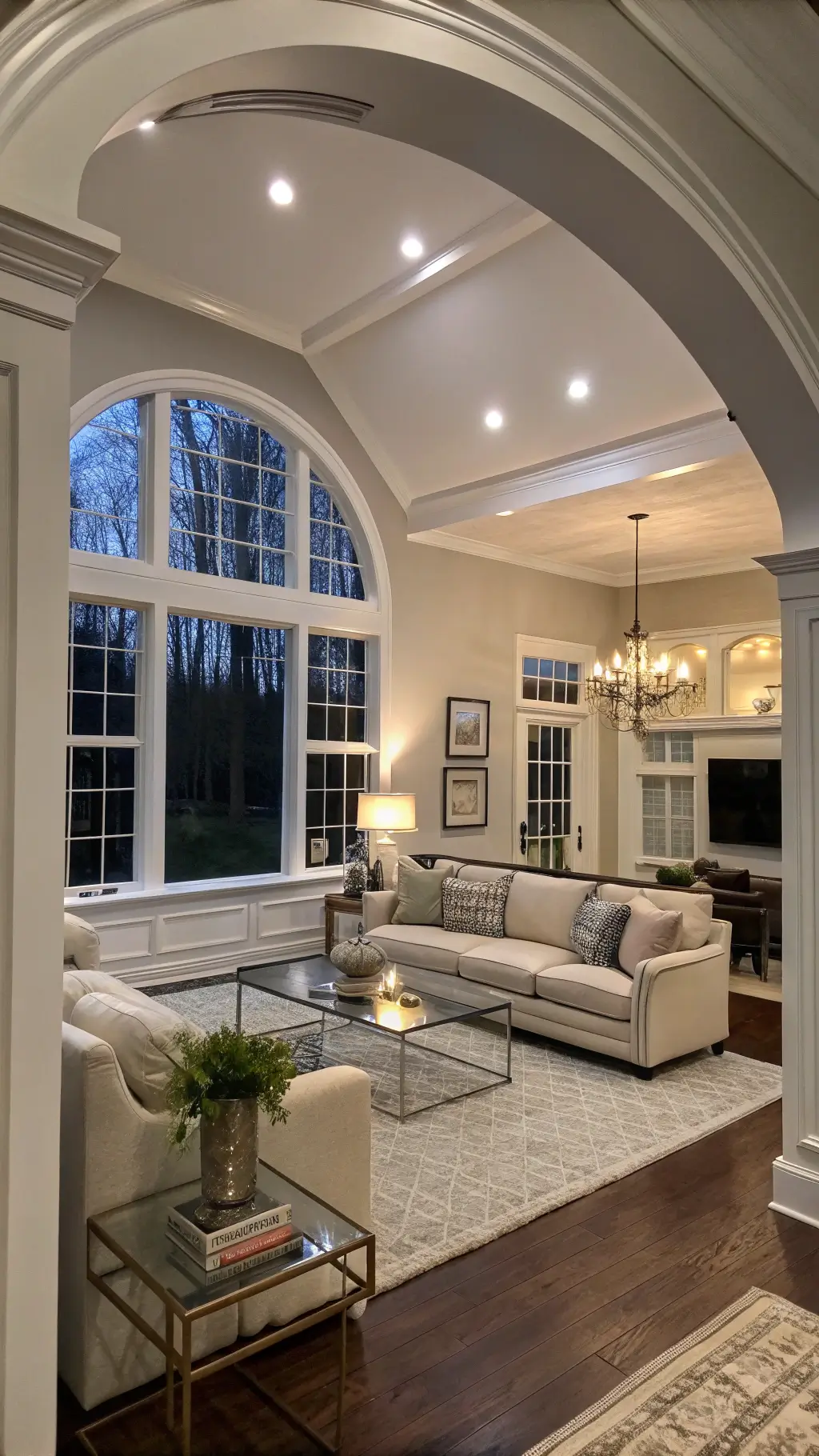
- Keep walls pale and neutral (white, off-white, light gray)
- Reflect maximum light
- Create an instant sense of openness
- Dark walls? Hello, intimate cave-like feeling
You’ll find the same thinking applied in our stacked laundry room, coffee table decor, and bookshelf, which cover a few adjacent ideas worth a look.
Lighting: The Invisible Architect
Lighting isn’t just about visibility—it’s about perception.
🌟 Brightness Basics
- Ample, well-distributed light = Larger perceived space
- Dim lighting = Cramped, segmented rooms
🌟 Lighting Temperature Tricks
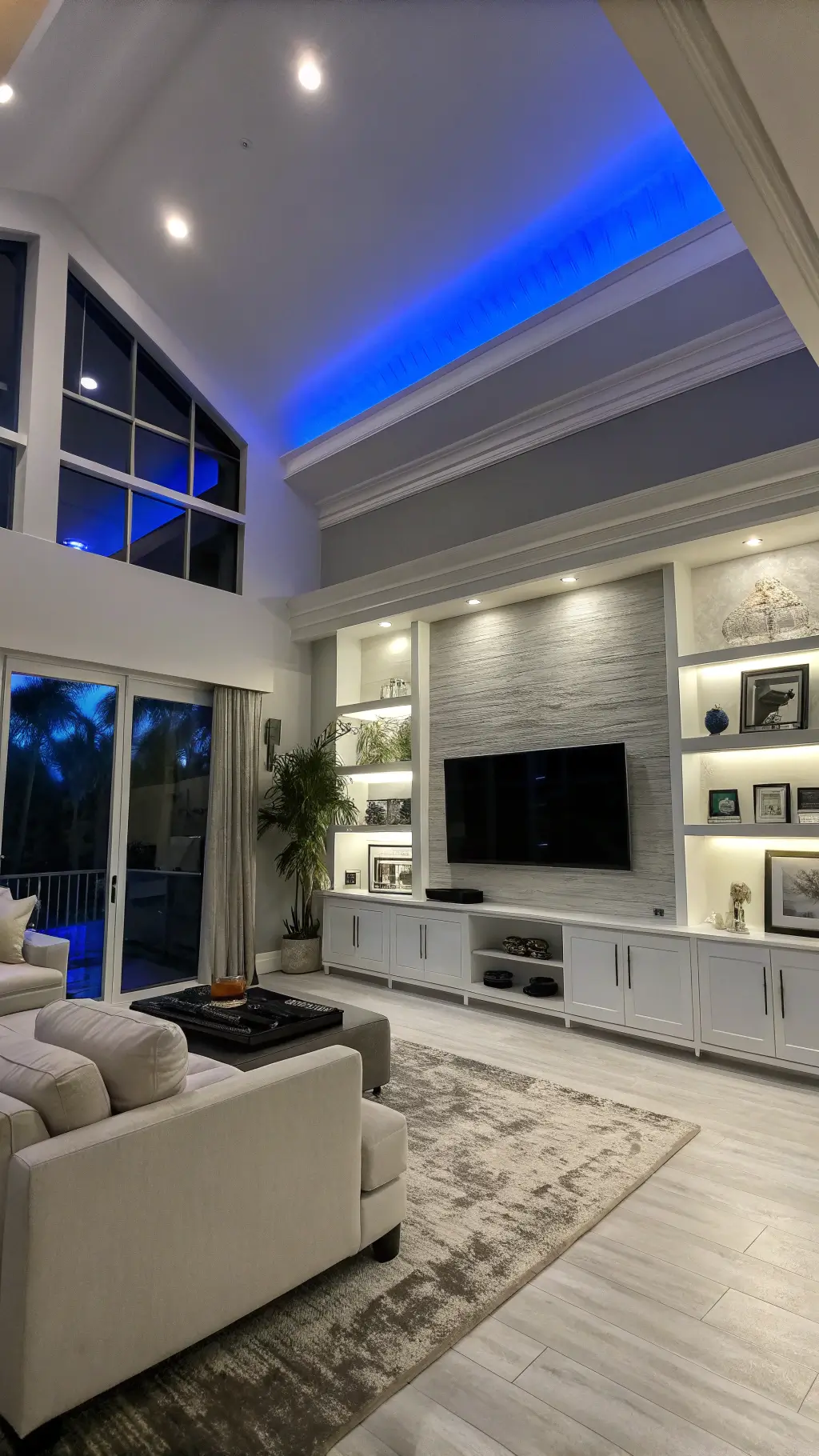
- Cool light (5000K-6500K): Airy, expansive feel
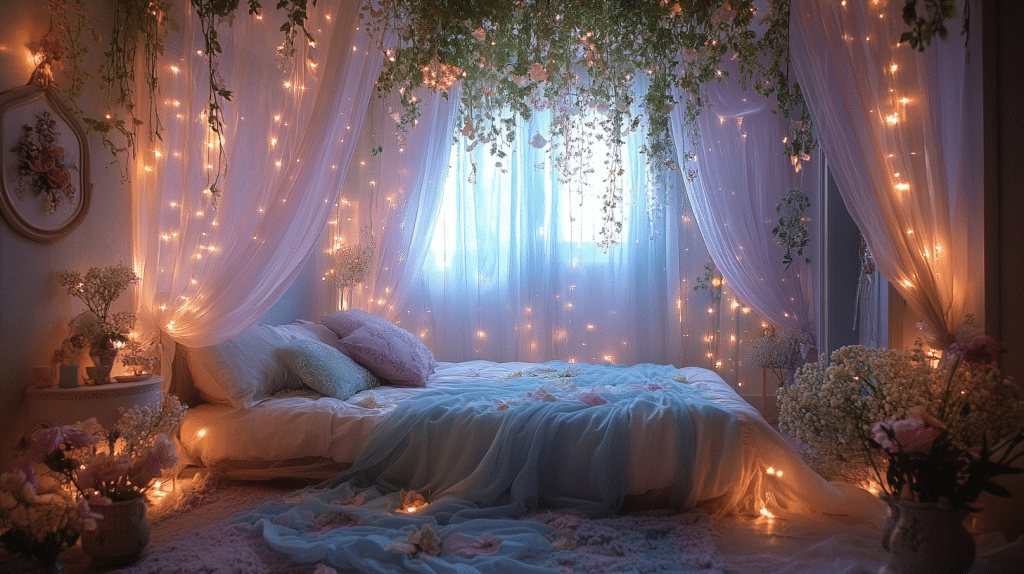
- Warm light: Cozy, intimate atmosphere

Pro Techniques for Space Expansion
- Ceiling Hack: Paint ceilings white
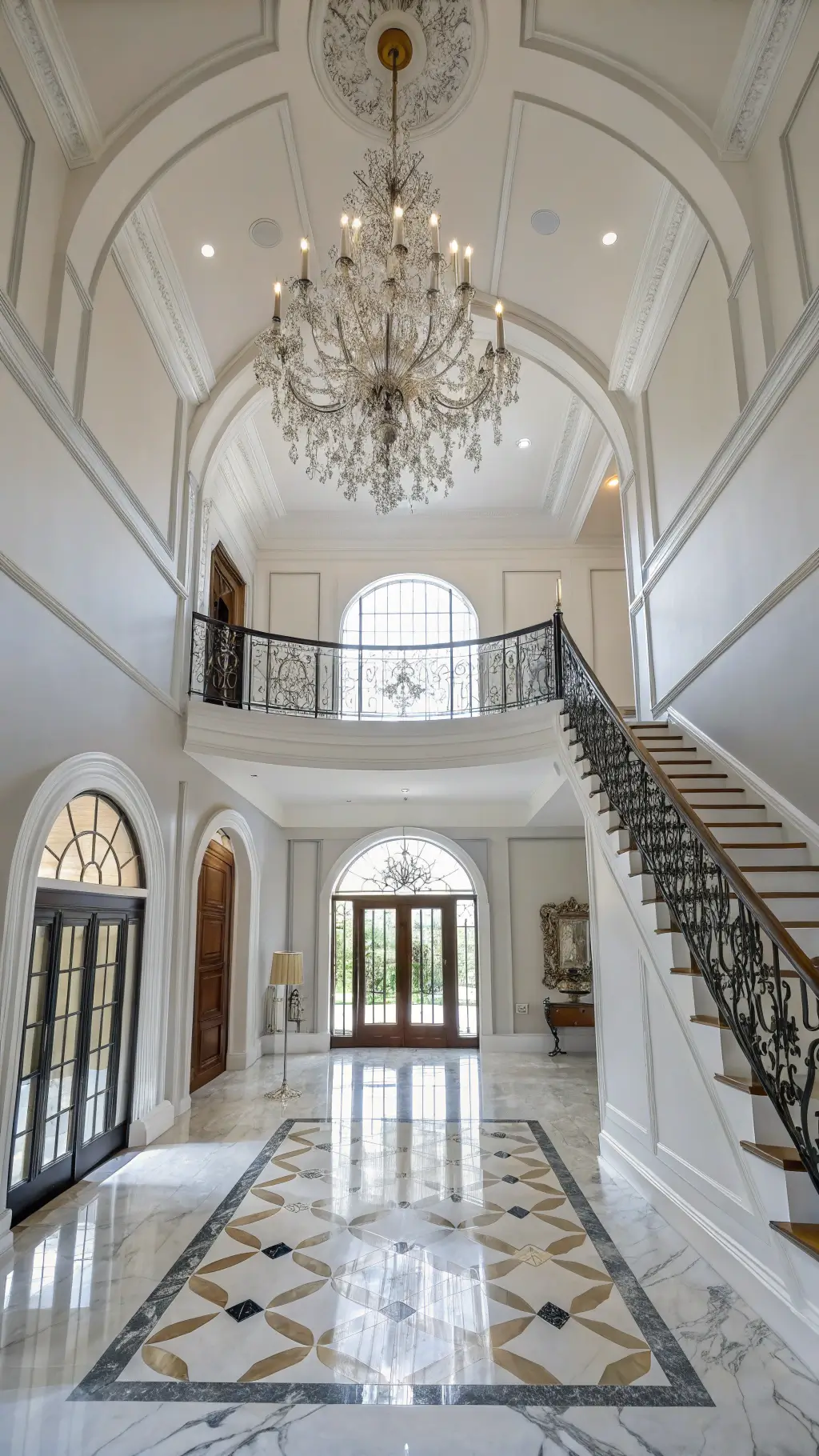
- Use mirrors to multiply light
- Install diffuse, soft lighting
- Create continuous light lines
- Use uplighting to enhance height
If the look works for you here, our mothers day centerpiece, guest room, and small barn house walk through related moves for nearby rooms.
Bonus Design Secrets
- Contrast trim and wall colors
- Use reflective surfaces strategically
- Balance warm and cool tones
- Direct attention with accent lighting

Real-World Application
Imagine transforming a tiny studio apartment:
- Pale gray walls
- Large mirrors
- Cool, bright LED strips
- Minimal, light furniture
Suddenly, your 500 square feet feels like a spacious loft.
Final Wisdom
Color and lighting aren’t just decorative—they’re powerful tools that reshape spatial perception.
Master these techniques, and you’ll never look at a room the same way again.
Remember: In design, perception is everything.

Looking back, the color and lighting for illusions of space that stuck in my own home were never the flashiest. They were the ones tied to a real habit, like where I drop my keys or how I sit in the evening. Pick the change you’ll feel every day, and the room starts to feel like yours instead of a picture.