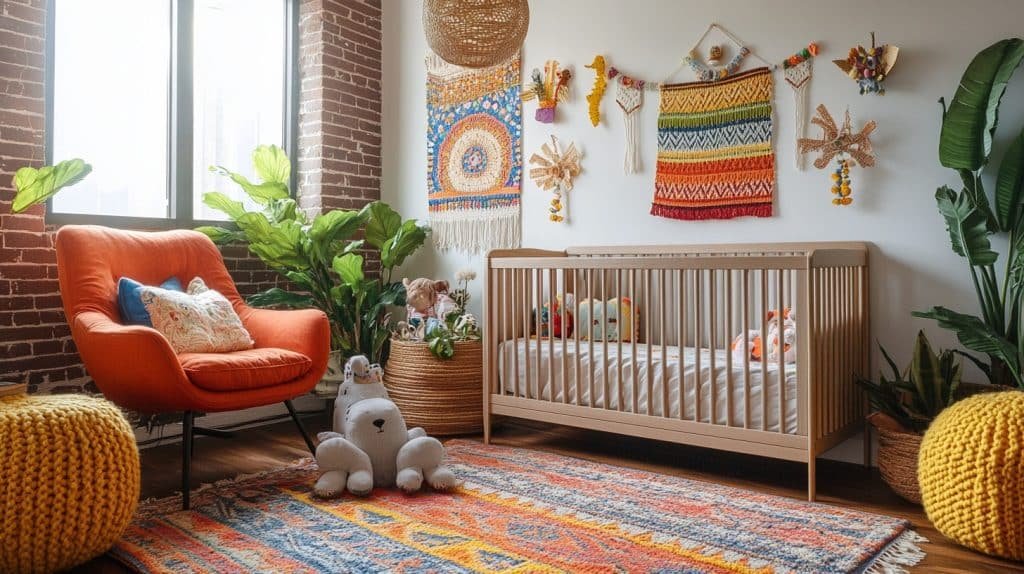
What Exactly is Wabi-Sabi Architecture?
There’s a wabi sabi architecture in my brother’s house I still think about years later, mostly because it solved a problem I didn’t know had a fix. I’ve pulled together wabi sabi architecture approaches that worked in real homes, not showrooms, so you can find the version that fits how you live.
- Imperfection as beauty
- Natural aging processes
- Authentic architectural experiences
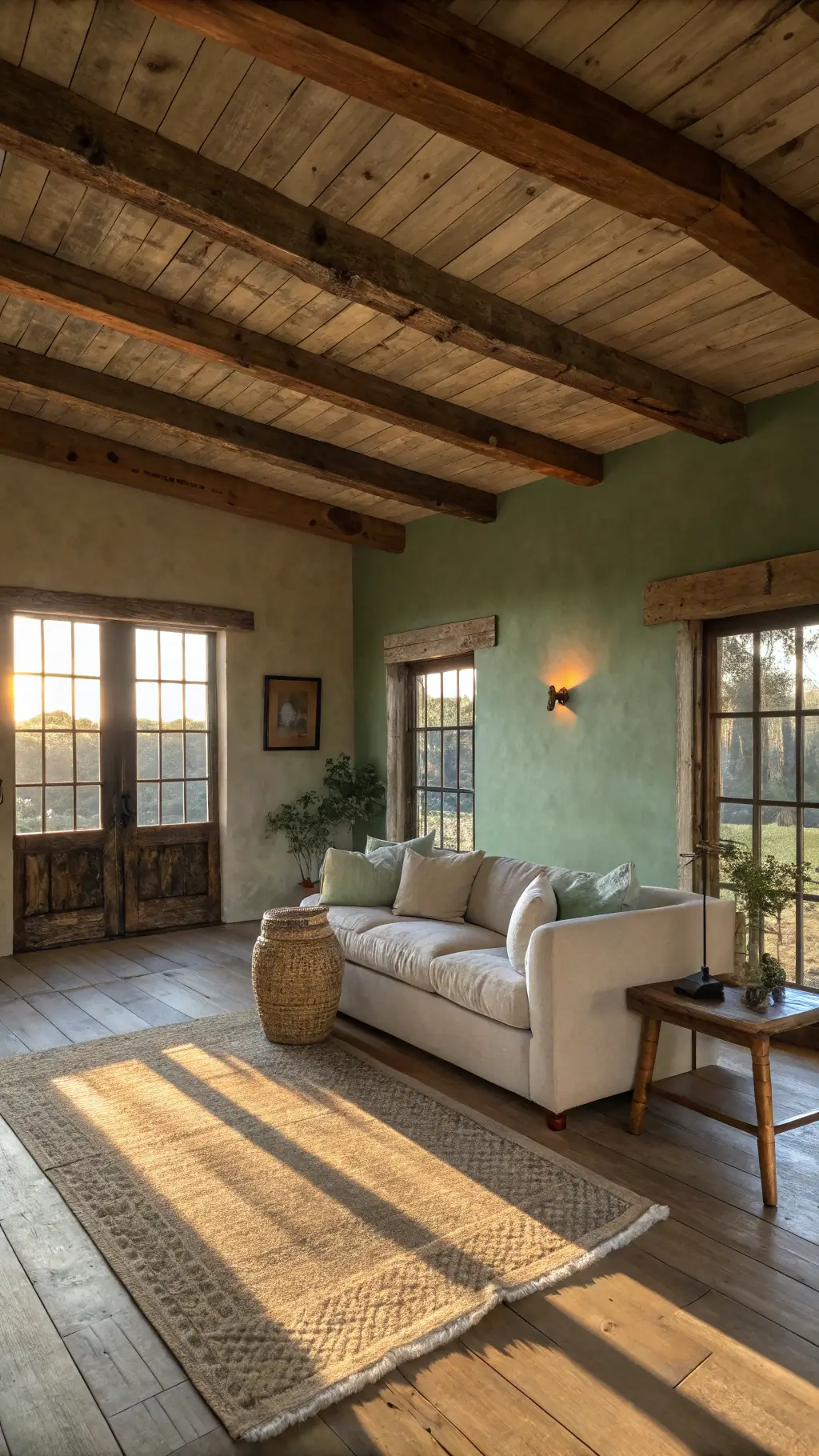
The Core Principles: Beyond Perfect Lines
Natural Materials Take Center Stage
I’ve seen countless sterile, polished spaces. Wabi-sabi is different. It embraces:
- Rough-hewn wood
- Unpolished stone
- Hand-crafted ceramics
- Weathered metals
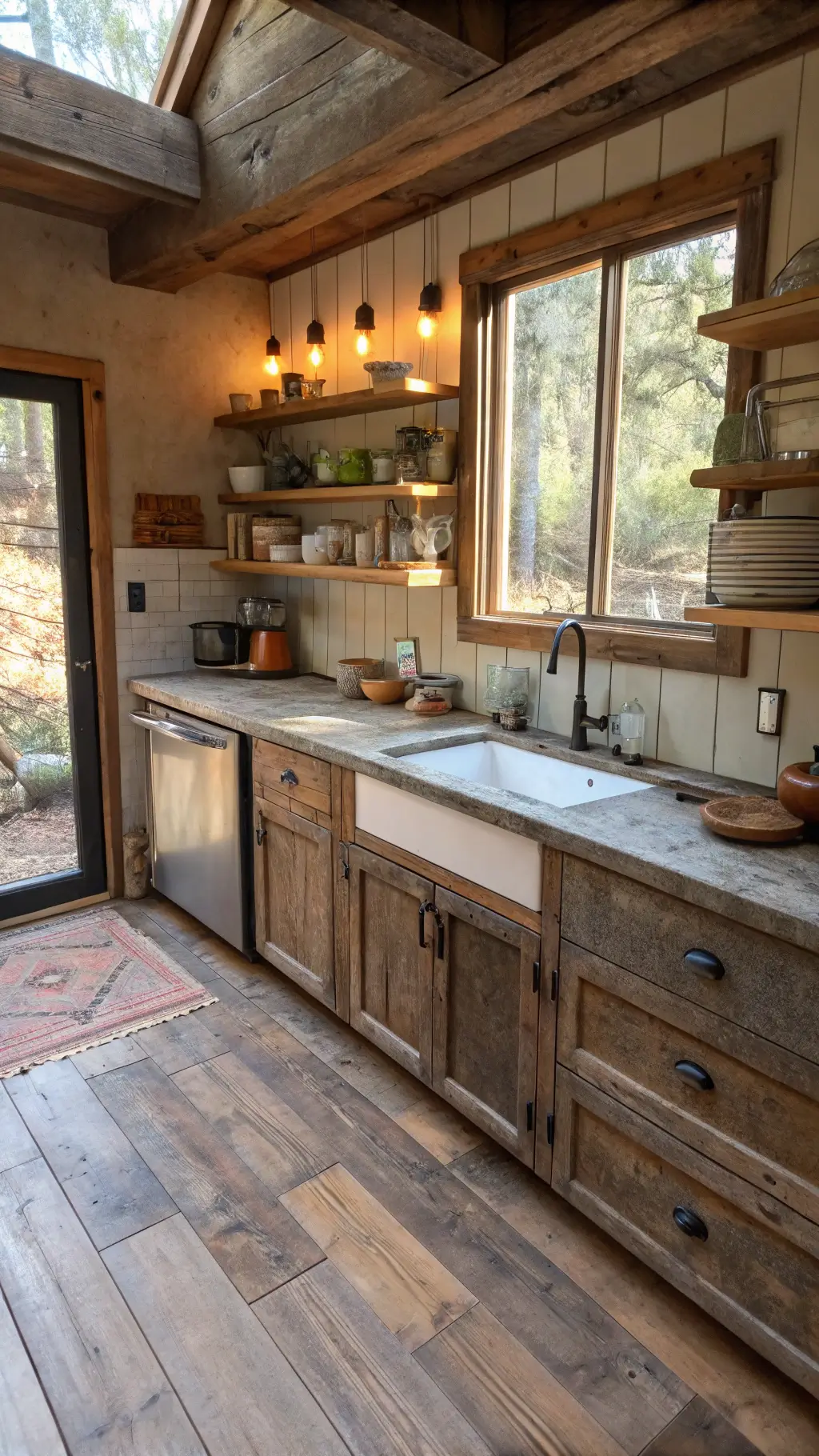
Color Palette: Earthy and Understated
Forget bright whites and sharp contrasts. Wabi-sabi’s colors whisper:
- Soft moss greens
- Muted grays
- Warm beiges
- Gentle browns
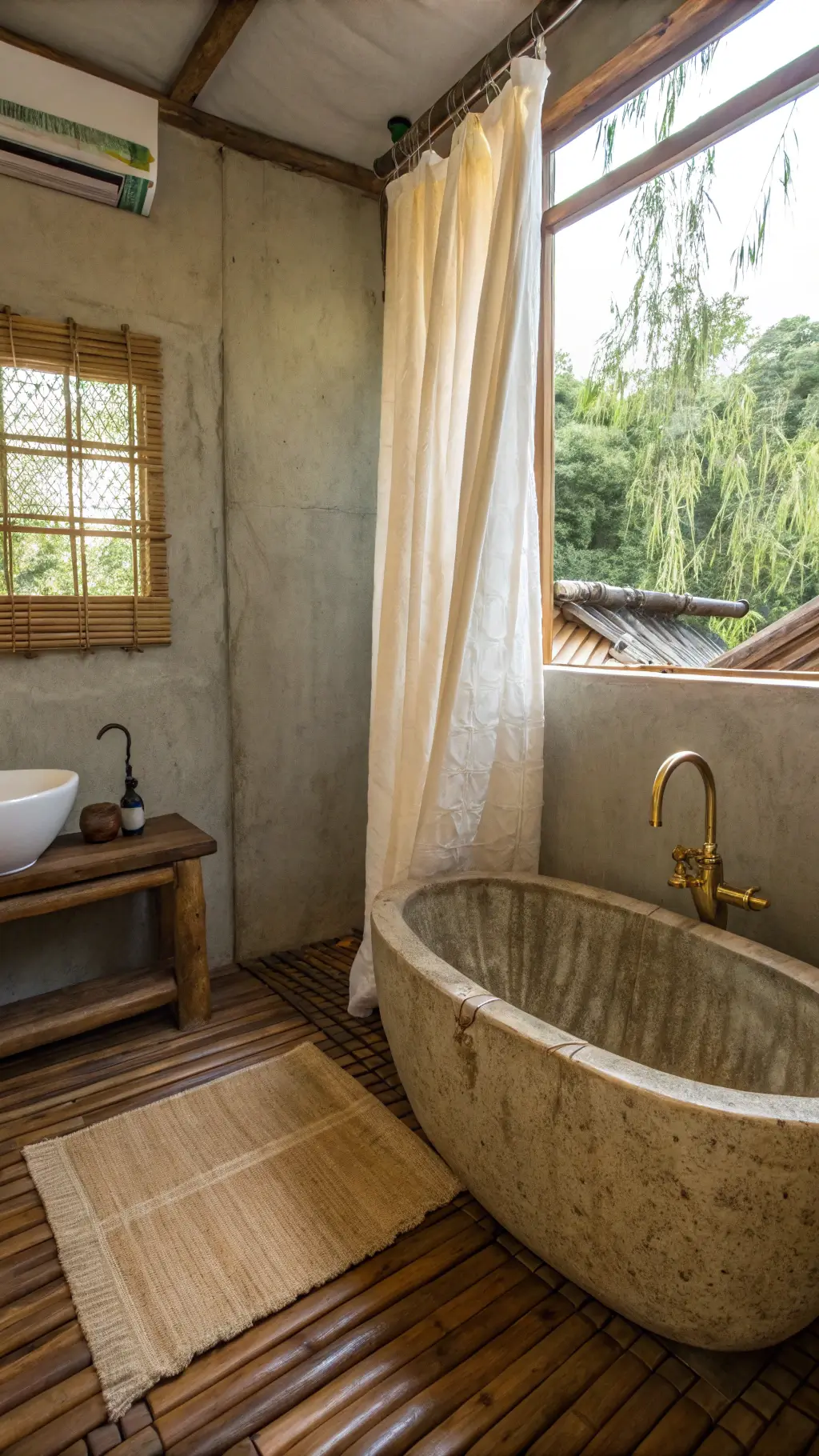
Architectural Elements That Define Wabi-Sabi
Asymmetry and Organic Forms
Traditional architecture demands perfect symmetry. Wabi-sabi laughs at such rigid rules:
- Intentionally uneven lines
- Handcrafted, irregular shapes
- Structures that feel alive and breathing
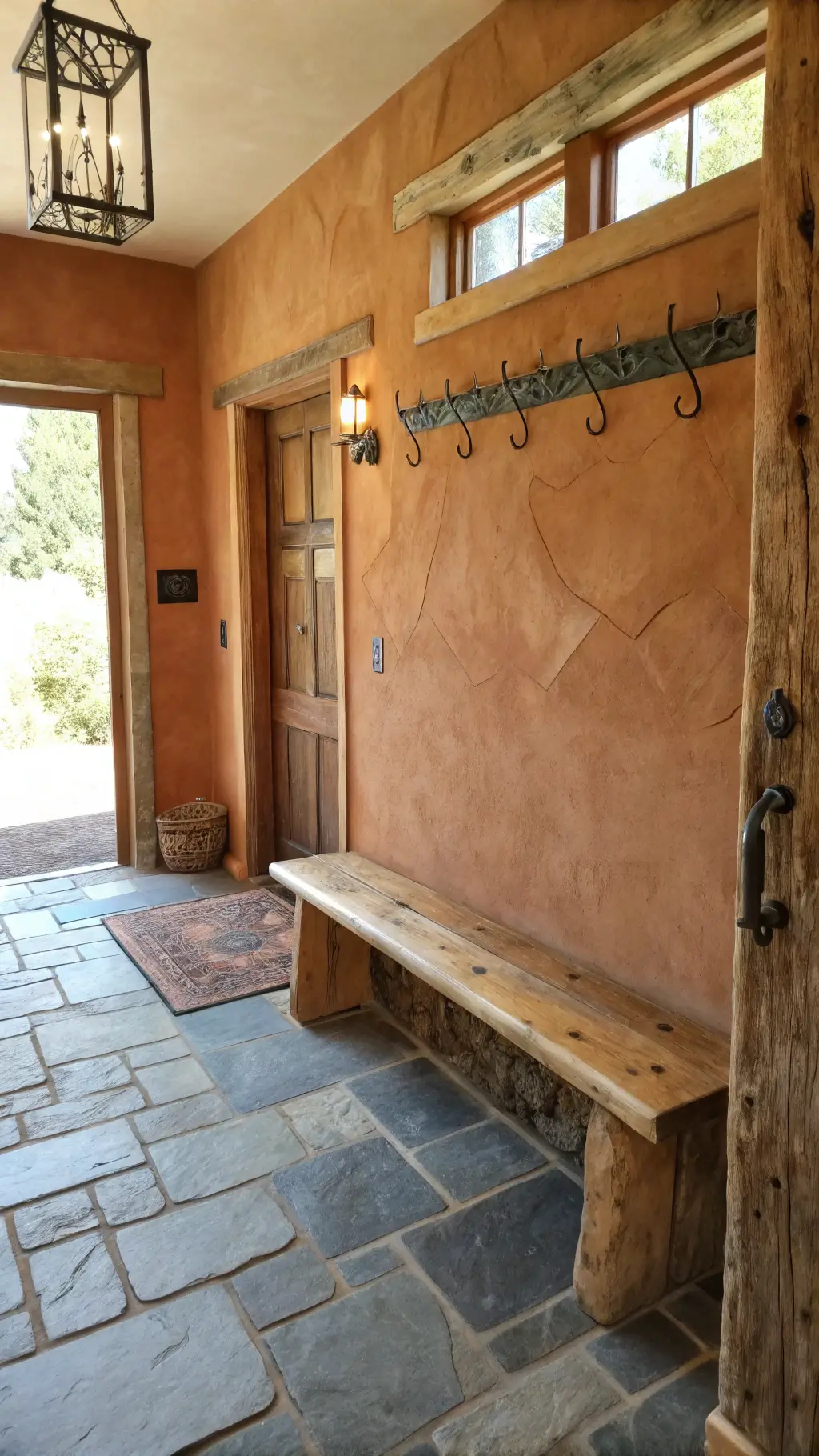
If the look works for you here, our wabi sabi garden, wabi sabi home decor, and wabi sabi interior walk through related moves for nearby rooms.
Blurring Indoor and Outdoor Boundaries
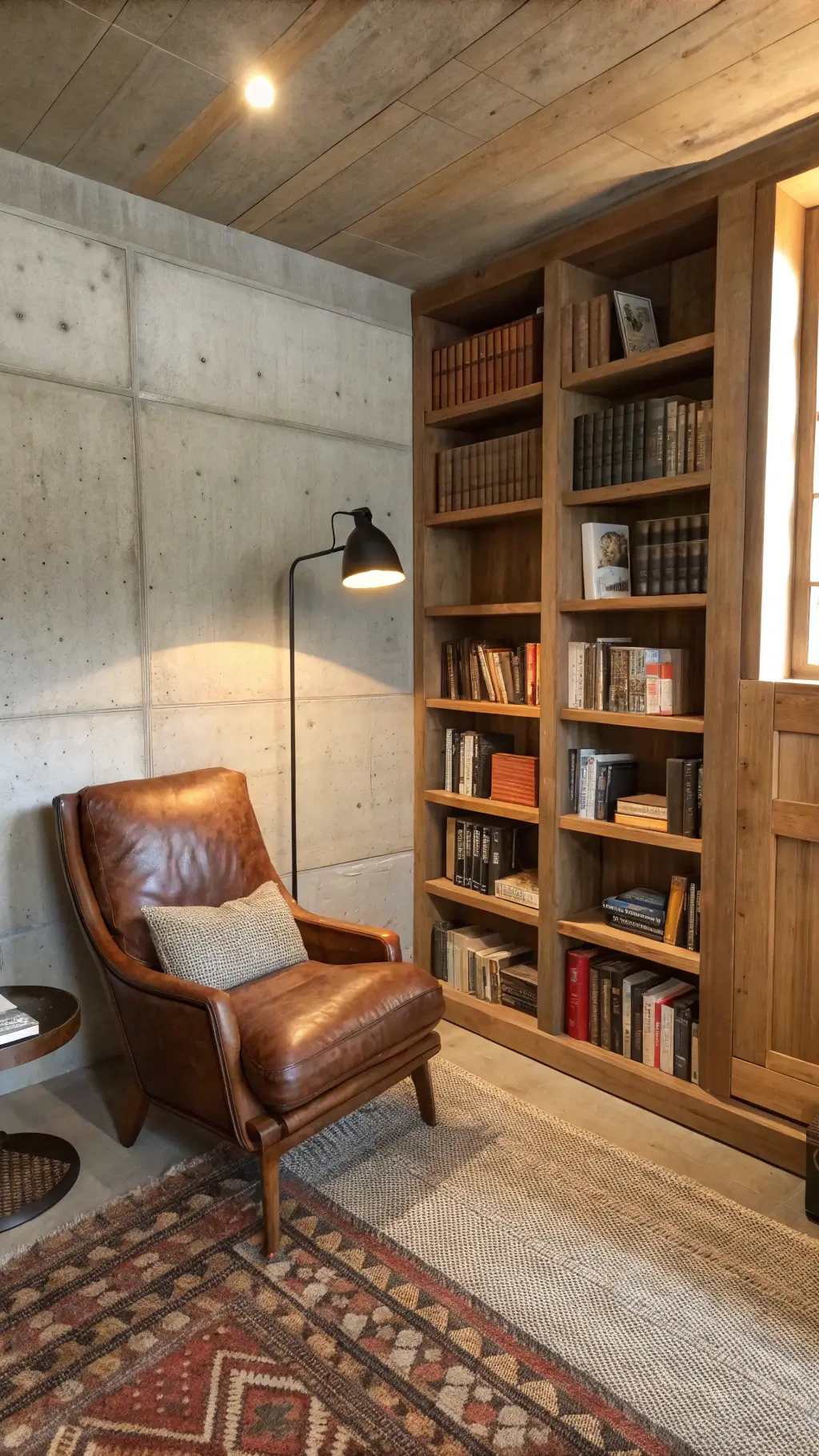
Imagine walls that seamlessly merge with landscapes. Wabi-sabi does exactly that:
- Large windows capturing natural light
- Indoor gardens
- Materials that echo surrounding environments
Iconic Examples That Inspire
Ise Grand Shrine: Ritual of Impermanence
Built from untreated wood, this shrine is rebuilt every 20 years. Why? To honor life’s transient nature.
Tadao Ando’s Minimalist Masterpieces
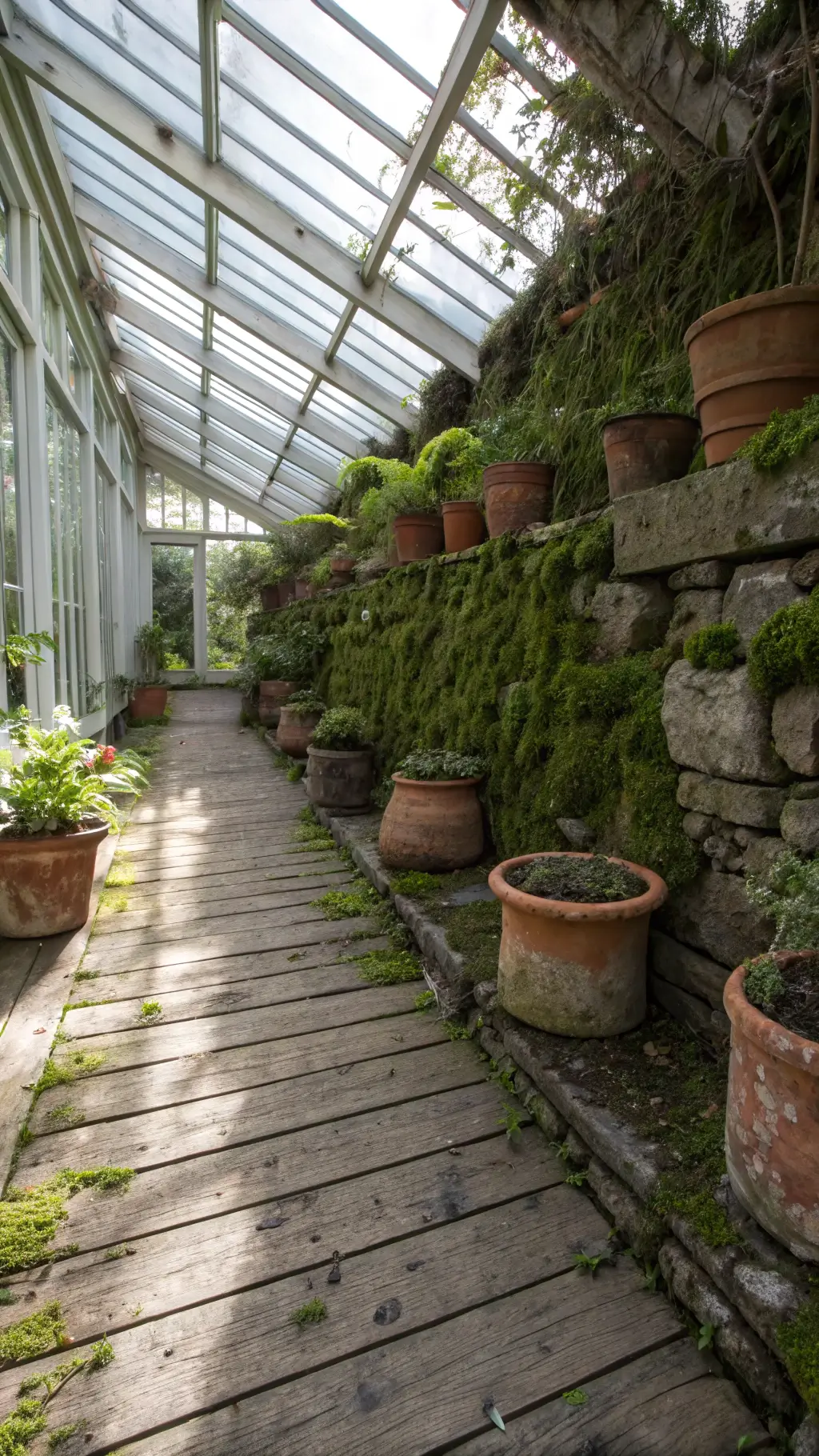
Ando, a legendary architect, embodies wabi-sabi:
- Raw concrete surfaces
- Plays of light and shadow
- Structures that seem to grow from their landscapes
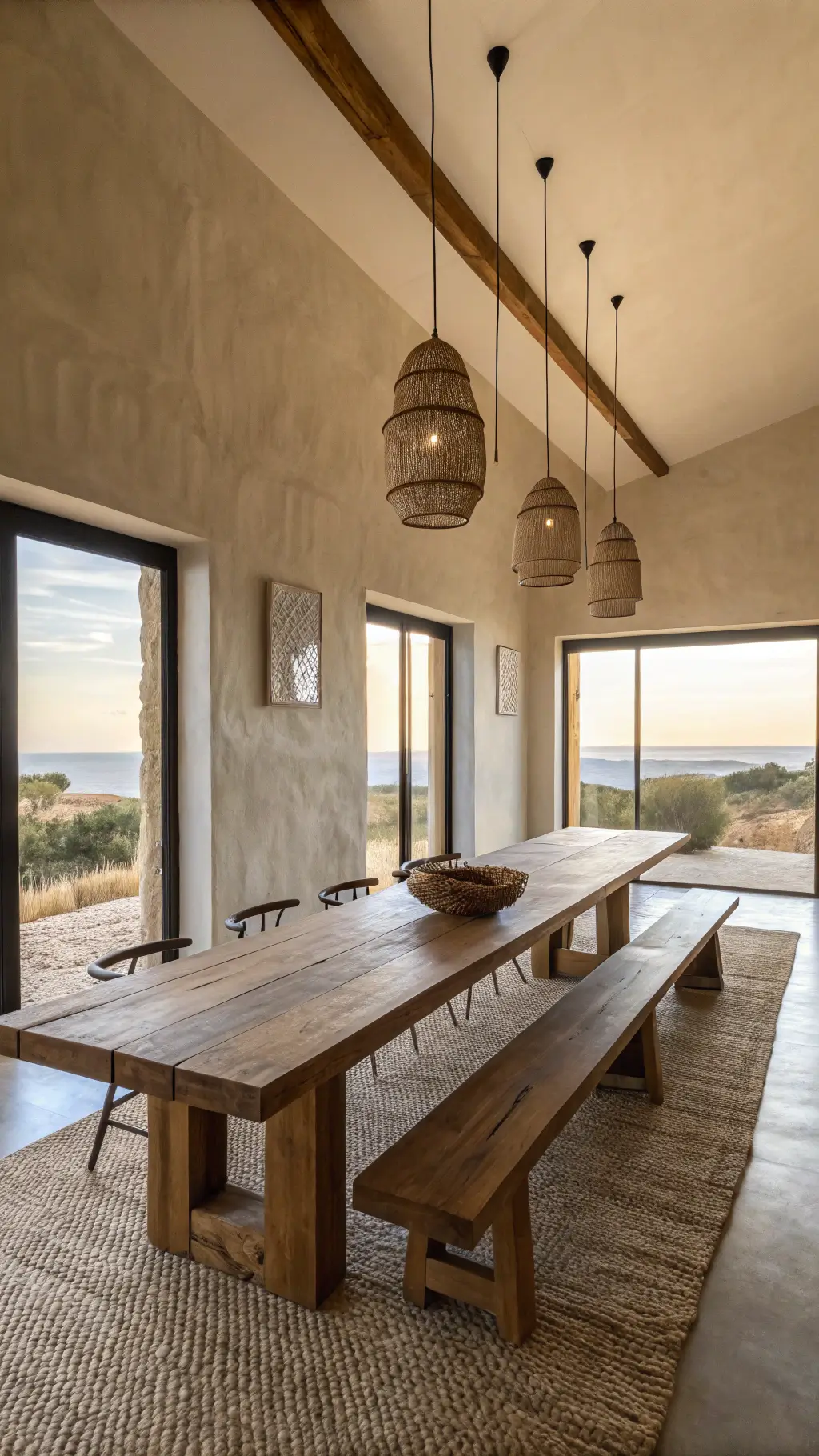
For more of the same feel in other spaces, our wabi sabi pendant, wabi sabi bench, and wabi sabi garden cover related ideas you can borrow.
Modern Applications: Beyond Traditional Spaces
Wabi-sabi isn’t just for traditional Japanese buildings. Today, it influences:
- Contemporary homes
- Sustainable restaurants
- Mindful commercial spaces
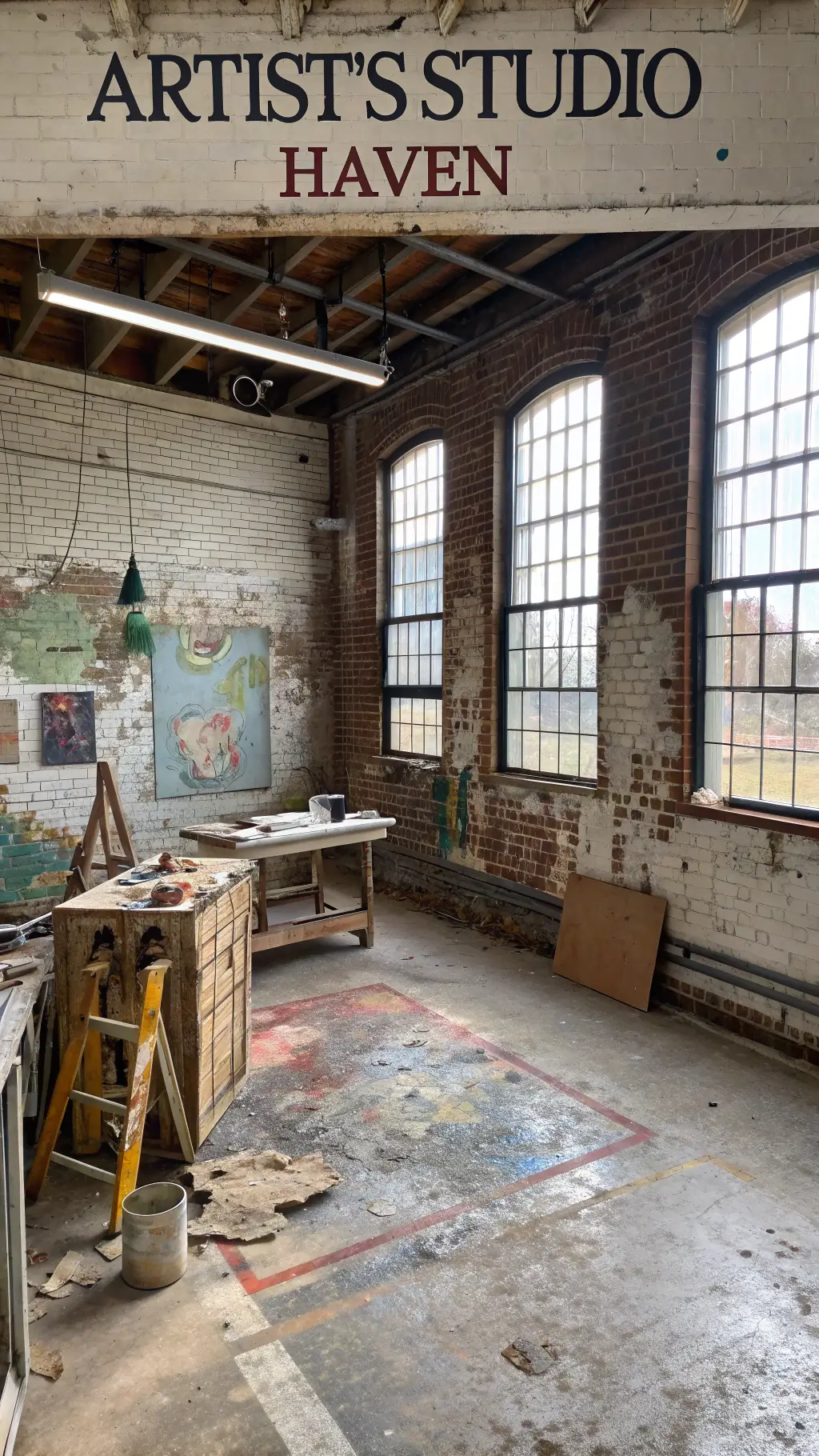
Why Wabi-Sabi Matters in Our Perfect-Obsessed World
In an era of filtered Instagram perfection, wabi-sabi reminds us:
- Beauty lives in imperfection
- Time adds character, not just age
- Authenticity trumps flawlessness
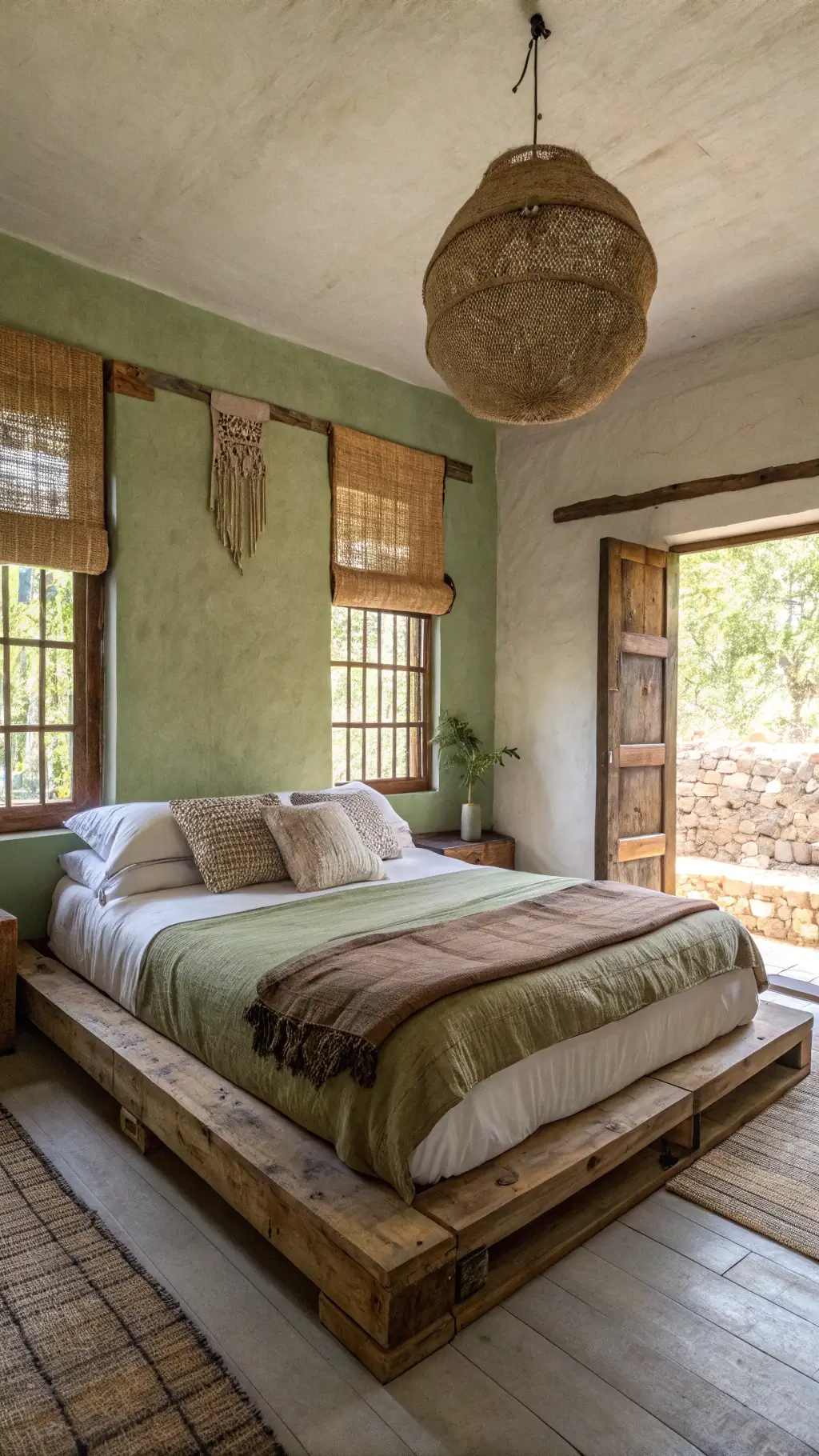
Practical Tips for Embracing Wabi-Sabi in Your Space
- Choose natural, unfinished materials
- Avoid over-polishing surfaces
- Welcome signs of gentle wear
- Incorporate asymmetric furniture
- Use soft, earthy color palettes
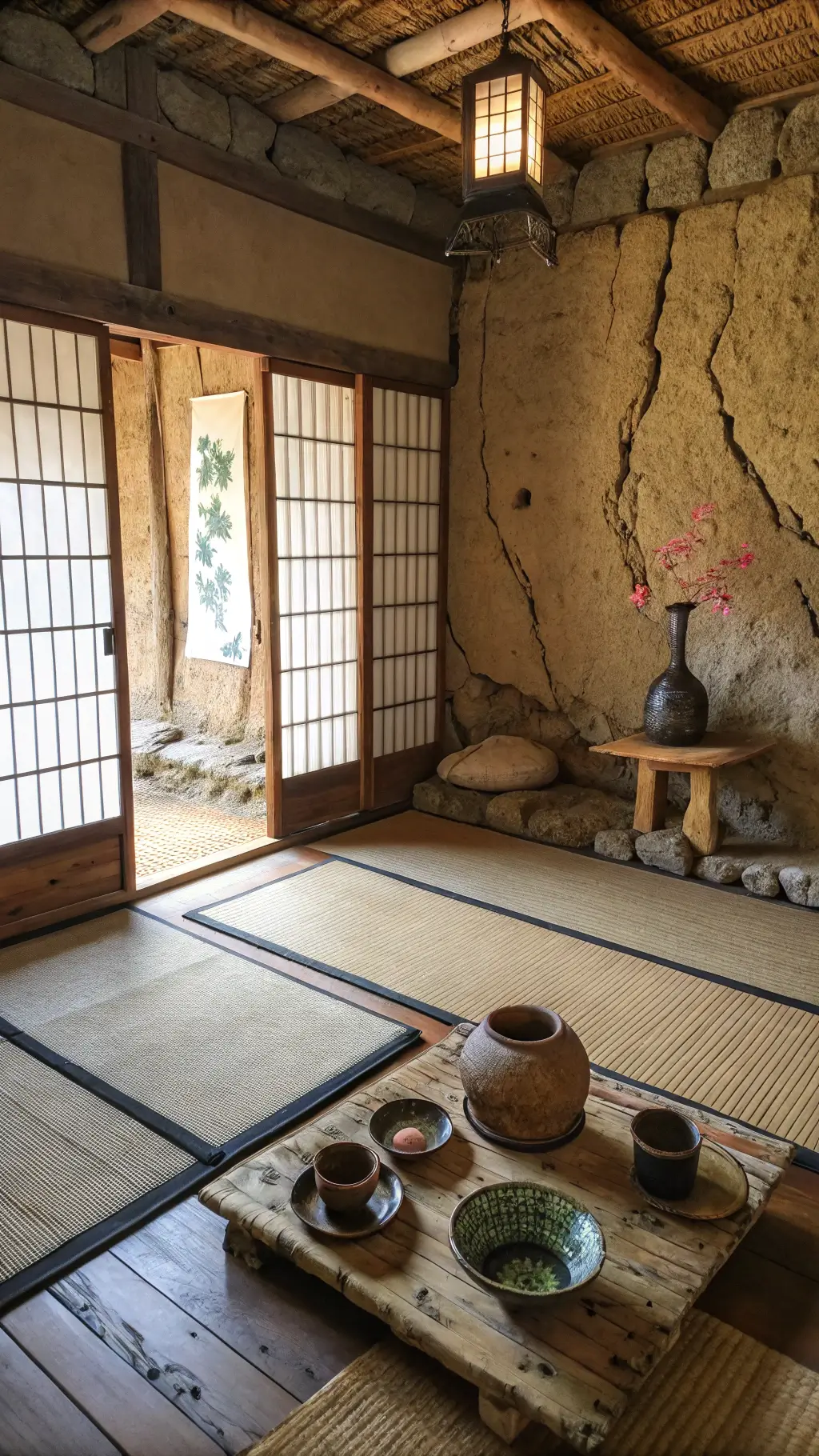
The Philosophical Depth: More Than Just Design
Wabi-sabi isn’t just about looks. It’s a worldview that teaches:
- Acceptance of life’s impermanence
- Finding beauty in simplicity
- Respecting natural processes
A Final Thought
Wabi-sabi architecture whispers what we often forget: perfection is overrated. True beauty is raw, honest, and wonderfully imperfect.
What surprised me most about wabi sabi architecture is how little it took to feel different. A shifted light, a cleared surface, one piece with a story. If you try even two of these, give them a month before judging, the best wabi sabi architecture decisions are the quiet ones you stop thinking about.