Wabi Sabi Bench: Embracing Imperfection in Furniture Design
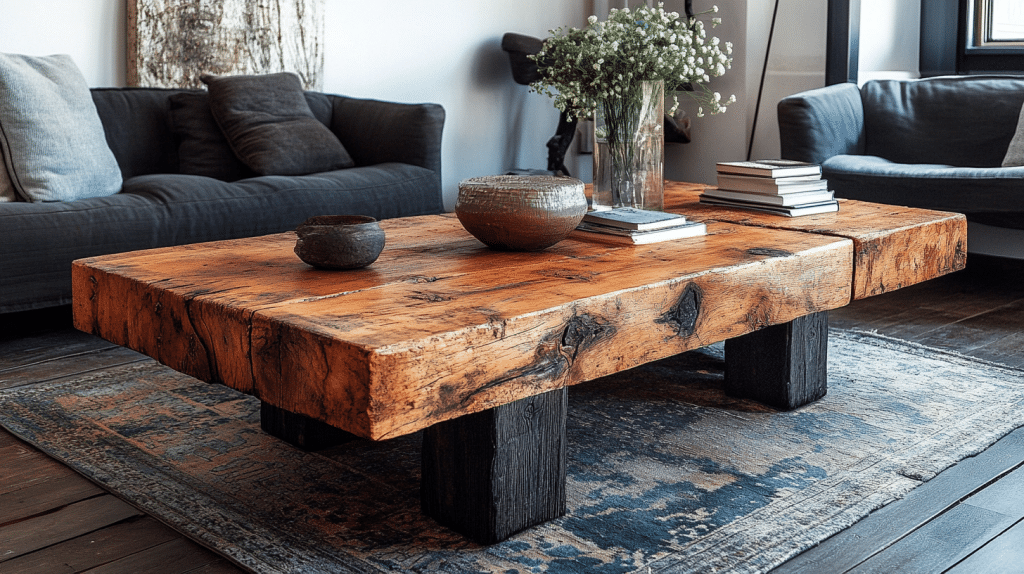
The art of creating a wabi sabi bench is like capturing a moment of raw, unfiltered beauty—where every crack, knot, and weathered surface tells a story of time and resilience.
What is a Wabi Sabi Bench?
Imagine a bench that doesn’t hide its scars but celebrates them. A wabi sabi bench is more than just a piece of furniture—it’s a philosophy transformed into a functional art form.
Core Principles of Wabi Sabi Design
Key characteristics that define a true wabi sabi bench:
- Celebrates imperfection as ultimate beauty
- Embraces natural aging and wear
- Prioritizes simplicity over elaborate decoration
- Honors the inherent character of materials
Choosing the Right Materials
Perfect materials for a wabi sabi bench include:
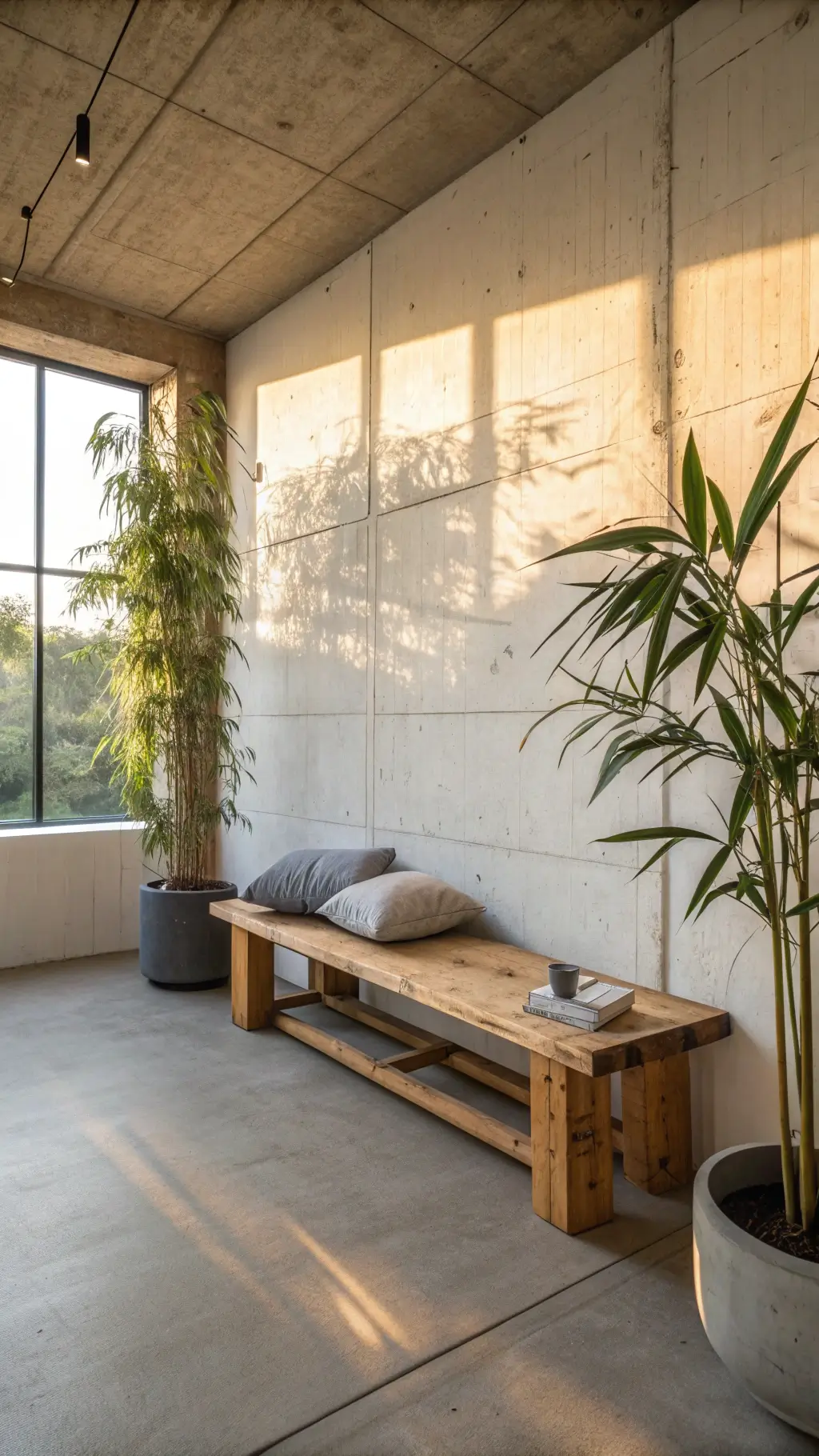
- Solid, unfinished wood (pine, walnut, reclaimed timber)
- Natural stone elements
- Weathered wood with visible grain and patina
- Minimally treated surfaces that showcase raw textures
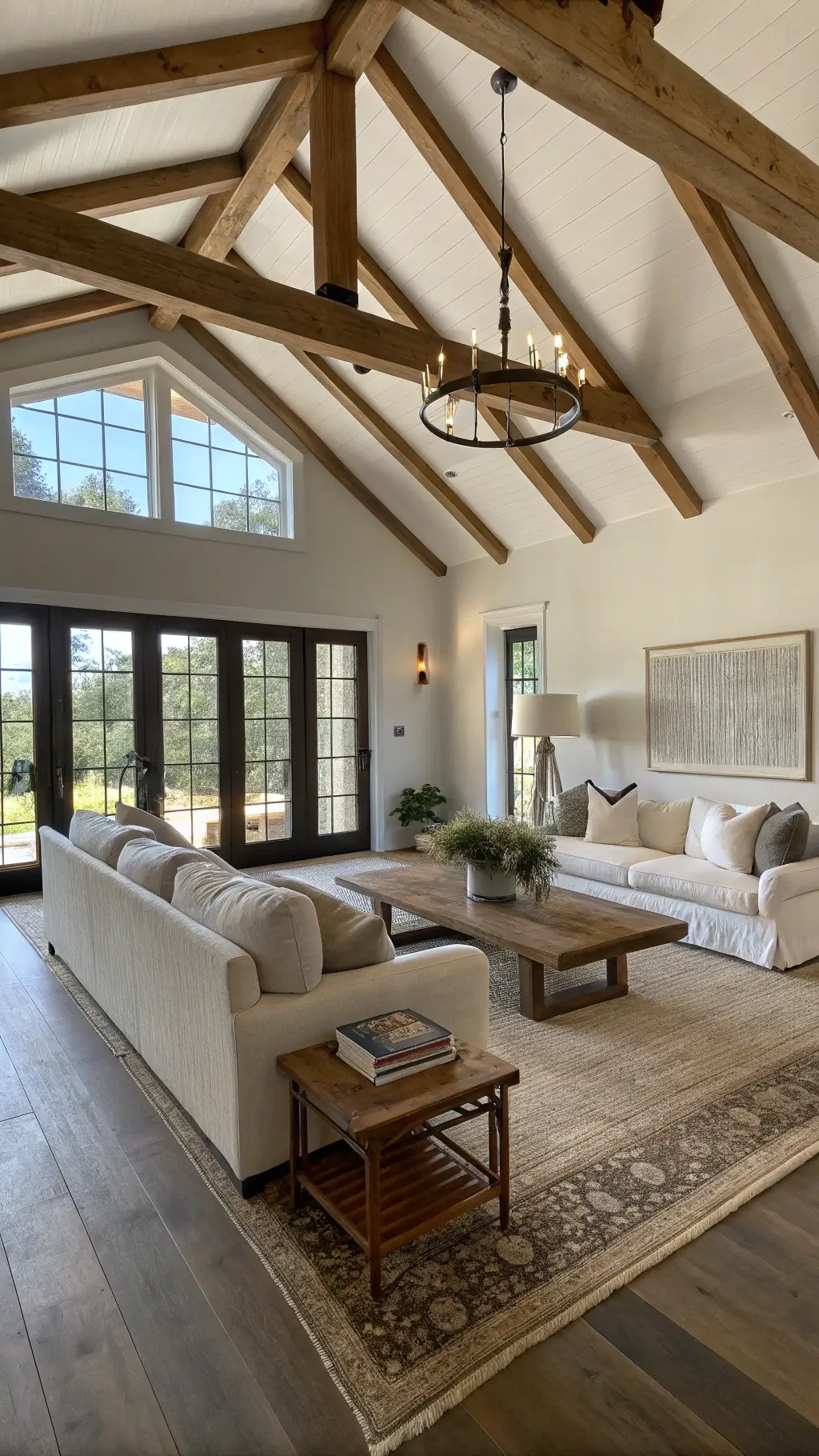
Design Elements That Capture the Wabi Sabi Spirit
Signature Features to Look For:
- Irregular edges: Embrace natural, uncut contours
- Visible joinery: Highlight traditional craftsmanship
- Organic textures: Let wood grains and knots shine
- Minimalist silhouettes: Simple lines, powerful presence
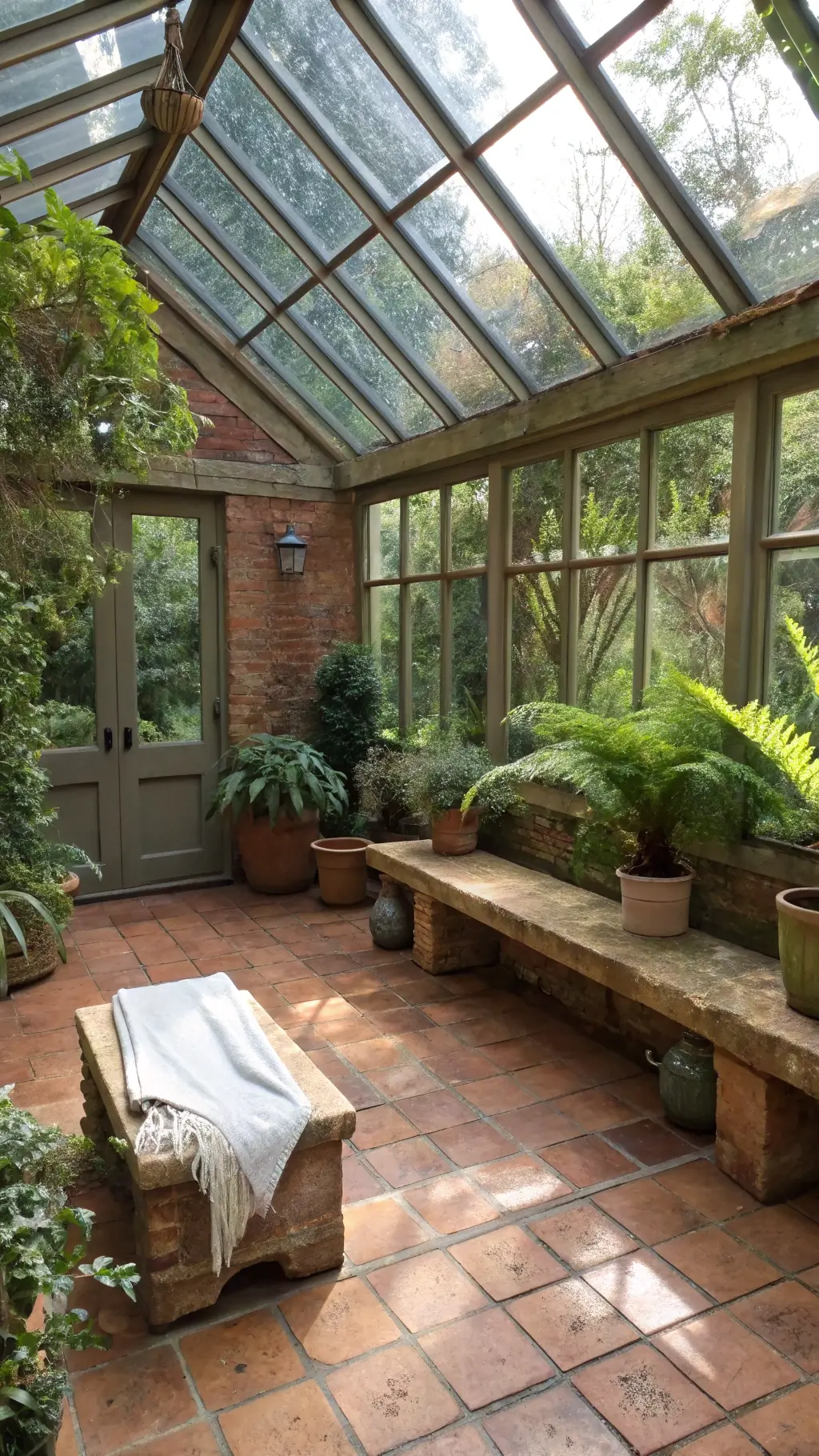
Practical Styling Tips
Where to place your wabi sabi bench:
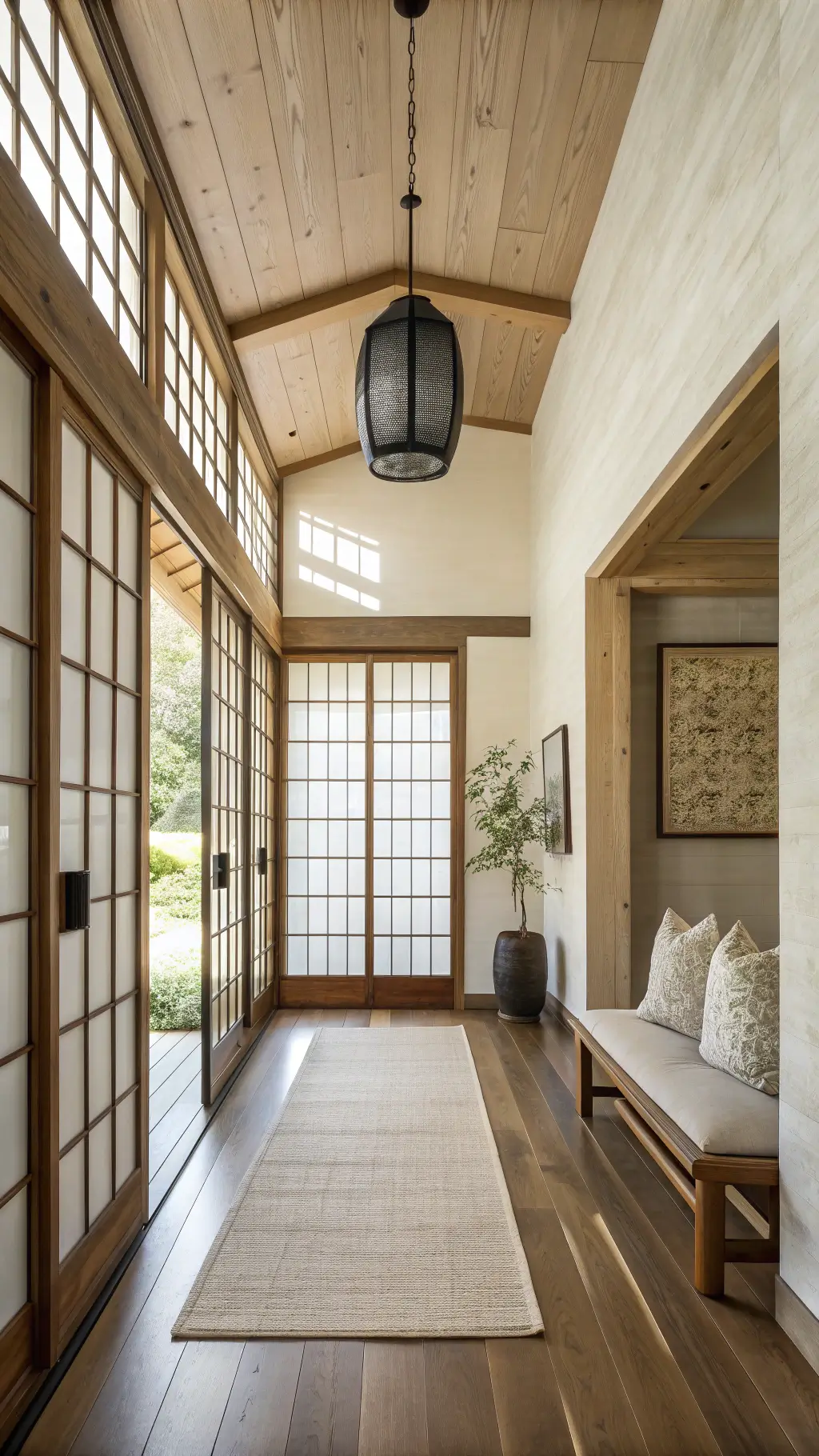
- Entryways with natural light
- Meditation corners
- Garden spaces
- Minimalist living rooms
Styling Recommendations:
- Use single natural fiber cushions sparingly
- Surround with organic accessories
- Keep decor minimal and intentional
- Allow negative space to breathe

DIY Wabi Sabi Bench Creation
Simple steps to create your own:
- Source reclaimed or natural wood
- Lightly sand rough edges
- Preserve natural knots and imperfections
- Apply minimal oil treatment if desired
- Celebrate the unique character of your materials
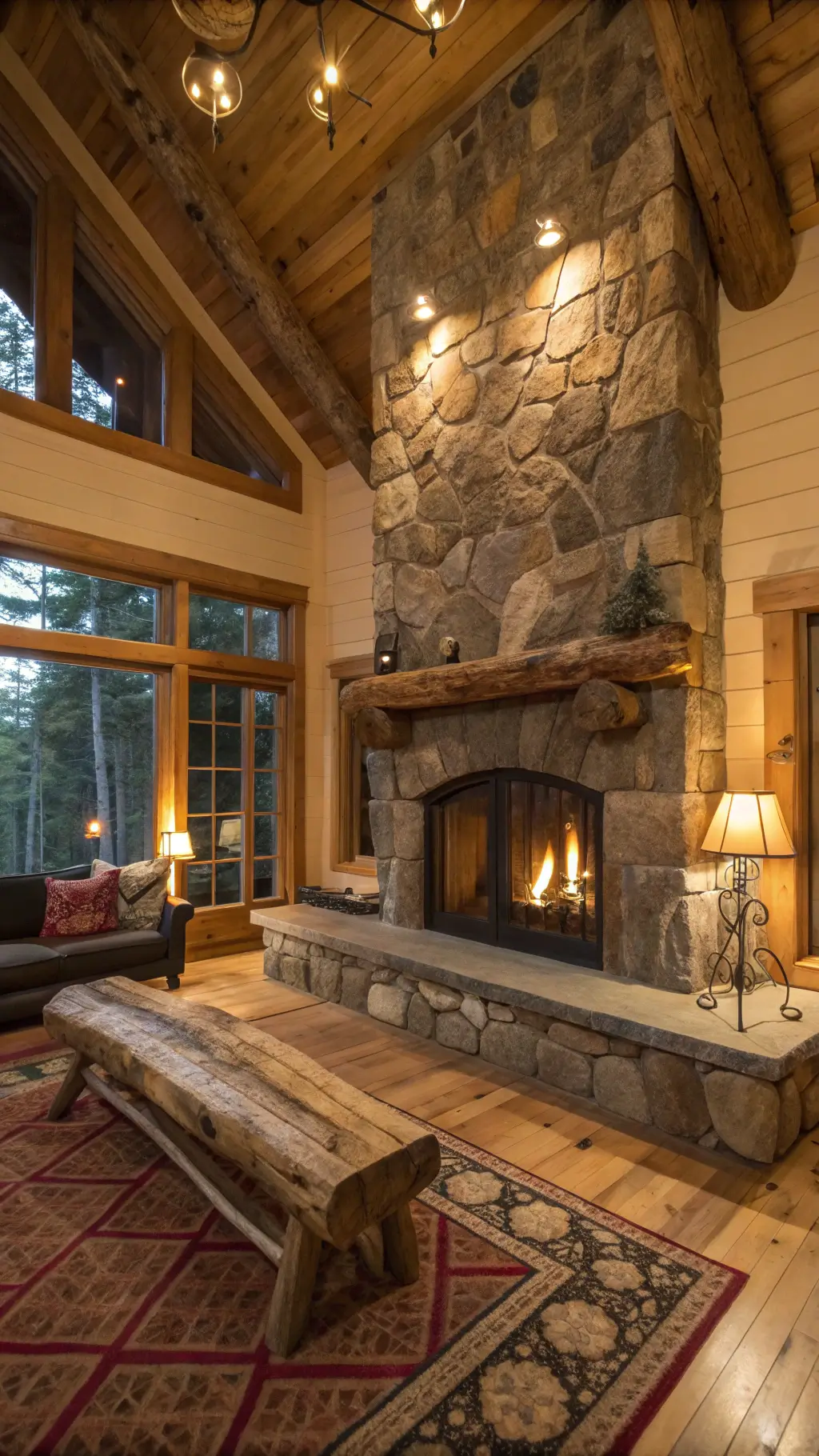
Finding Inspiration
Best places to explore wabi sabi bench designs:
- Instagram design accounts
- Etsy handmade furniture shops
- Japanese design galleries
Pro Tips for Authentic Wabi Sabi Aesthetic
- Less is more: Avoid over-processing materials
- Respect the material’s history: Each mark tells a story
- Prioritize craftsmanship over perfection
- Embrace natural aging processes
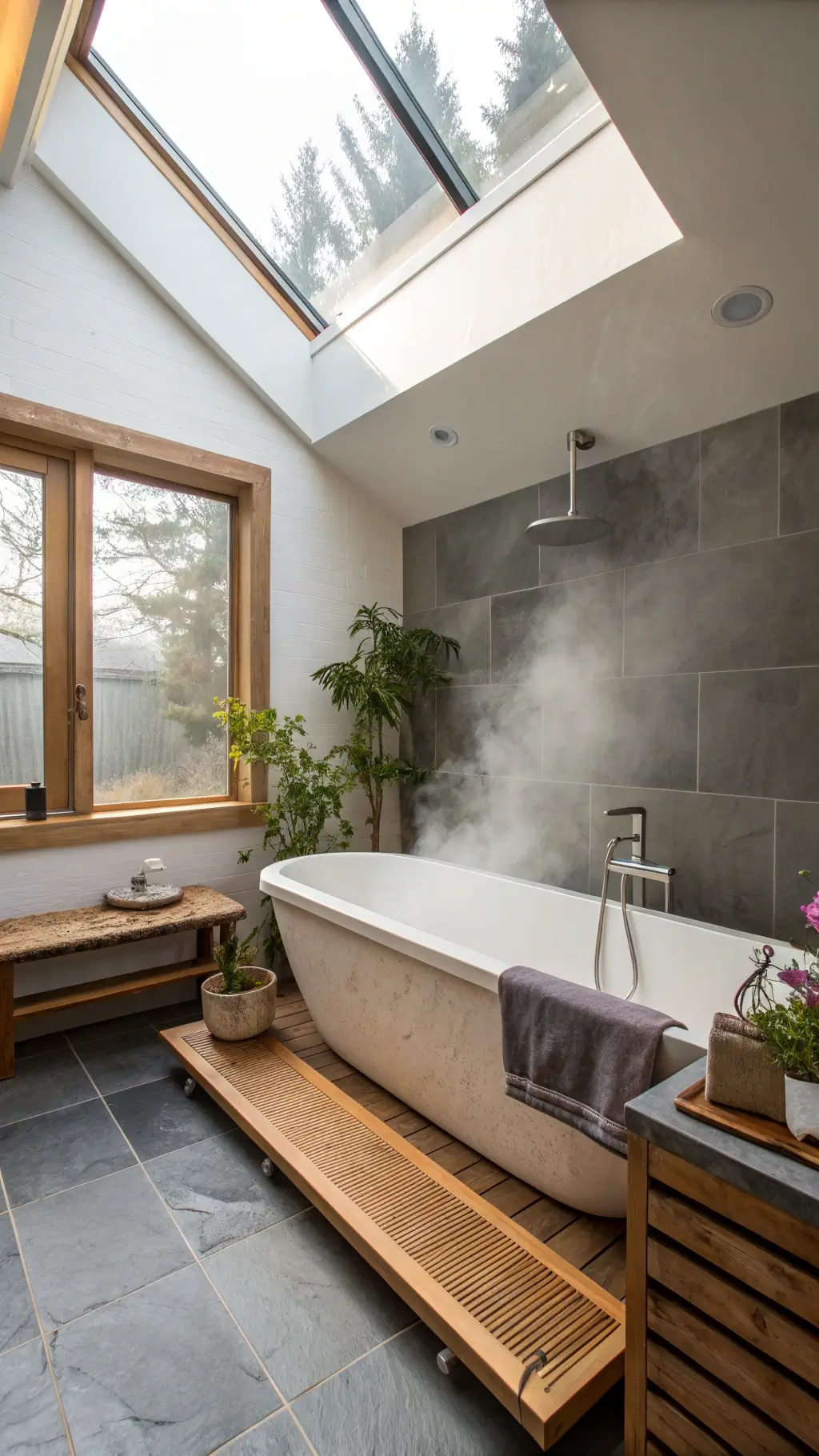
Final Thoughts
A wabi sabi bench isn’t just furniture—it’s a meditation on beauty, imperfection, and the profound elegance of natural aging.
The true magic lies in understanding that every crack, every weathered surface, every asymmetrical line is not a flaw, but a testament to the object’s journey through time.