Wabi Sabi Painting: Embracing Imperfection in Art
Last winter I got tired of fighting my own wabi sabi painting and started changing one thing at a time, usually the cheapest option first. Some stuck, some came back out. What’s here is the wabi sabi painting version I’d actually defend to a friend, trimmed of the stuff that looked good and behaved badly.
What is Wabi Sabi Art?
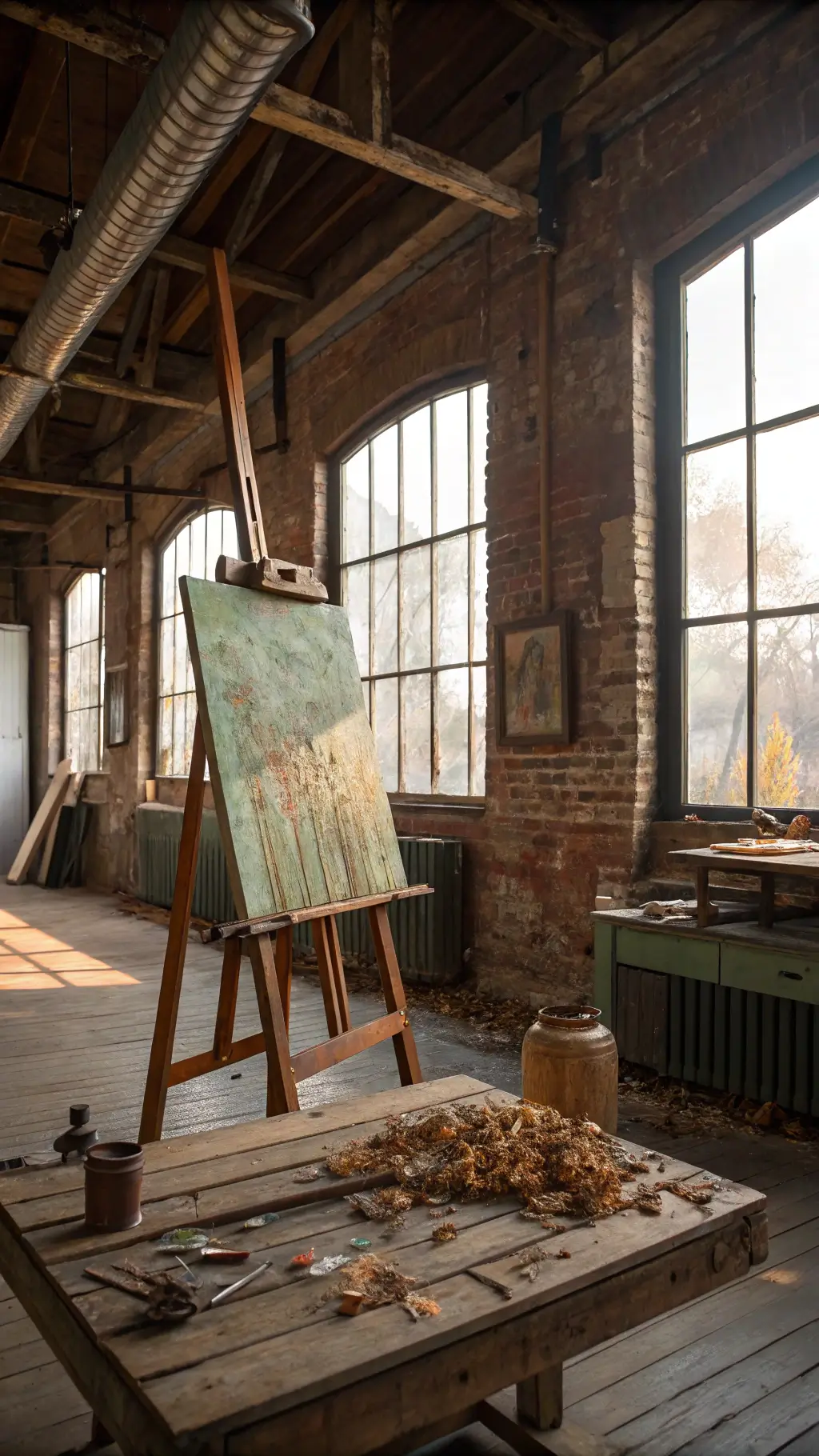
Wabi sabi is a Japanese philosophy that finds profound beauty in imperfection, transience, and simplicity. In painting, this means:
- Celebrating uneven brushstrokes
- Welcoming unexpected textures
- Embracing asymmetry and incompleteness
- Connecting deeply with natural materials
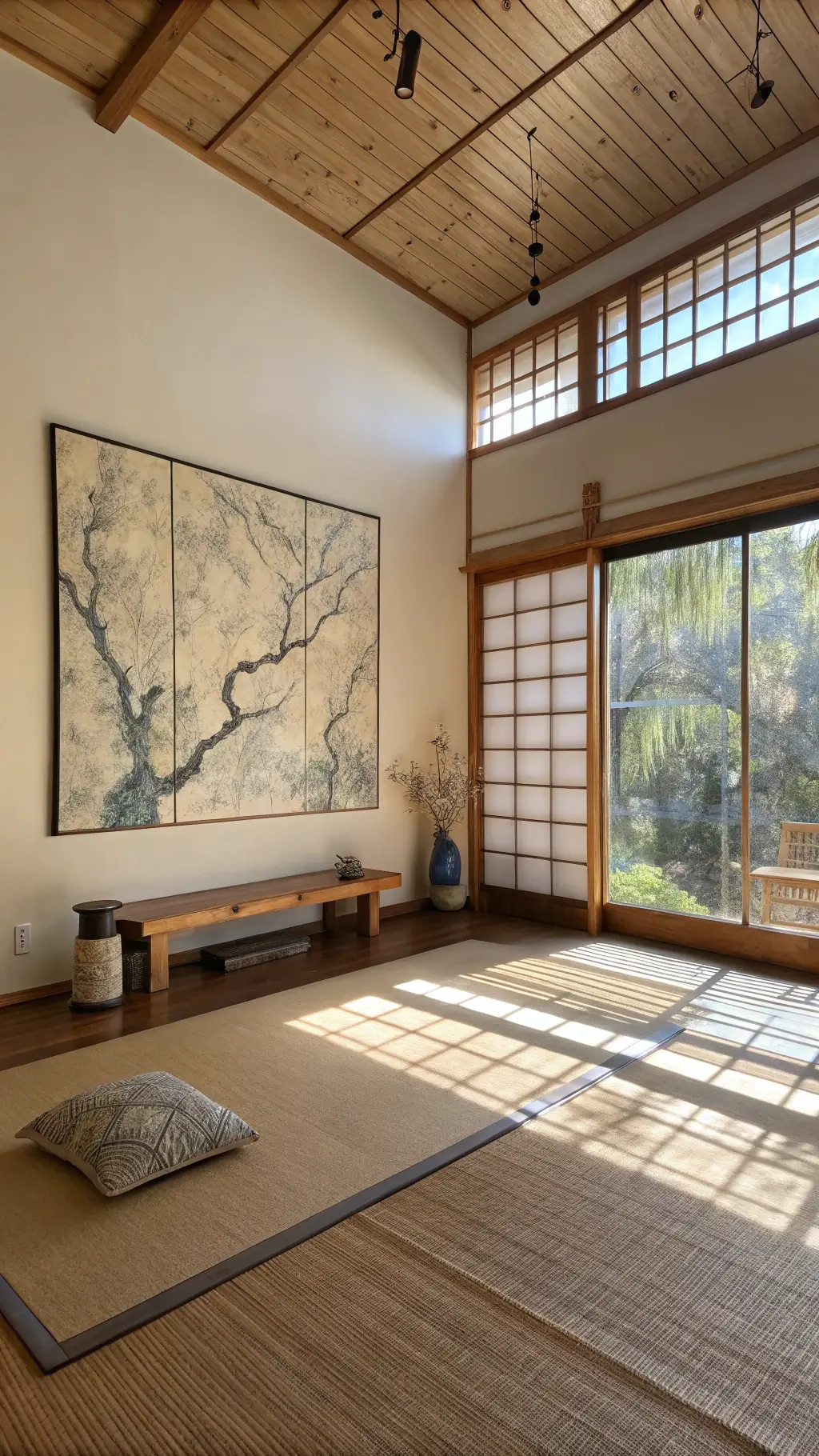
Key Elements of Wabi Sabi Painting
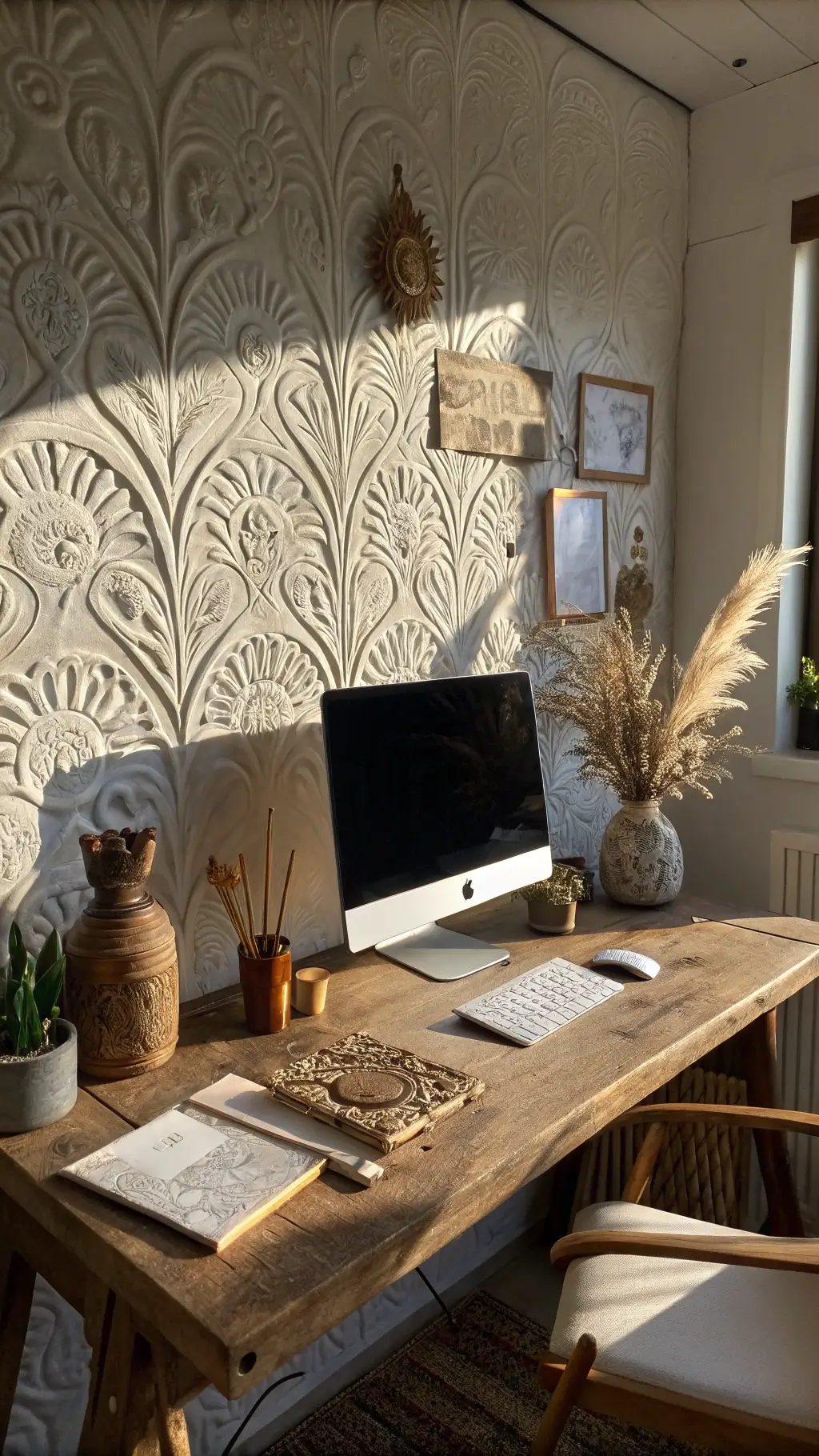
1. Texture is Your Best Friend
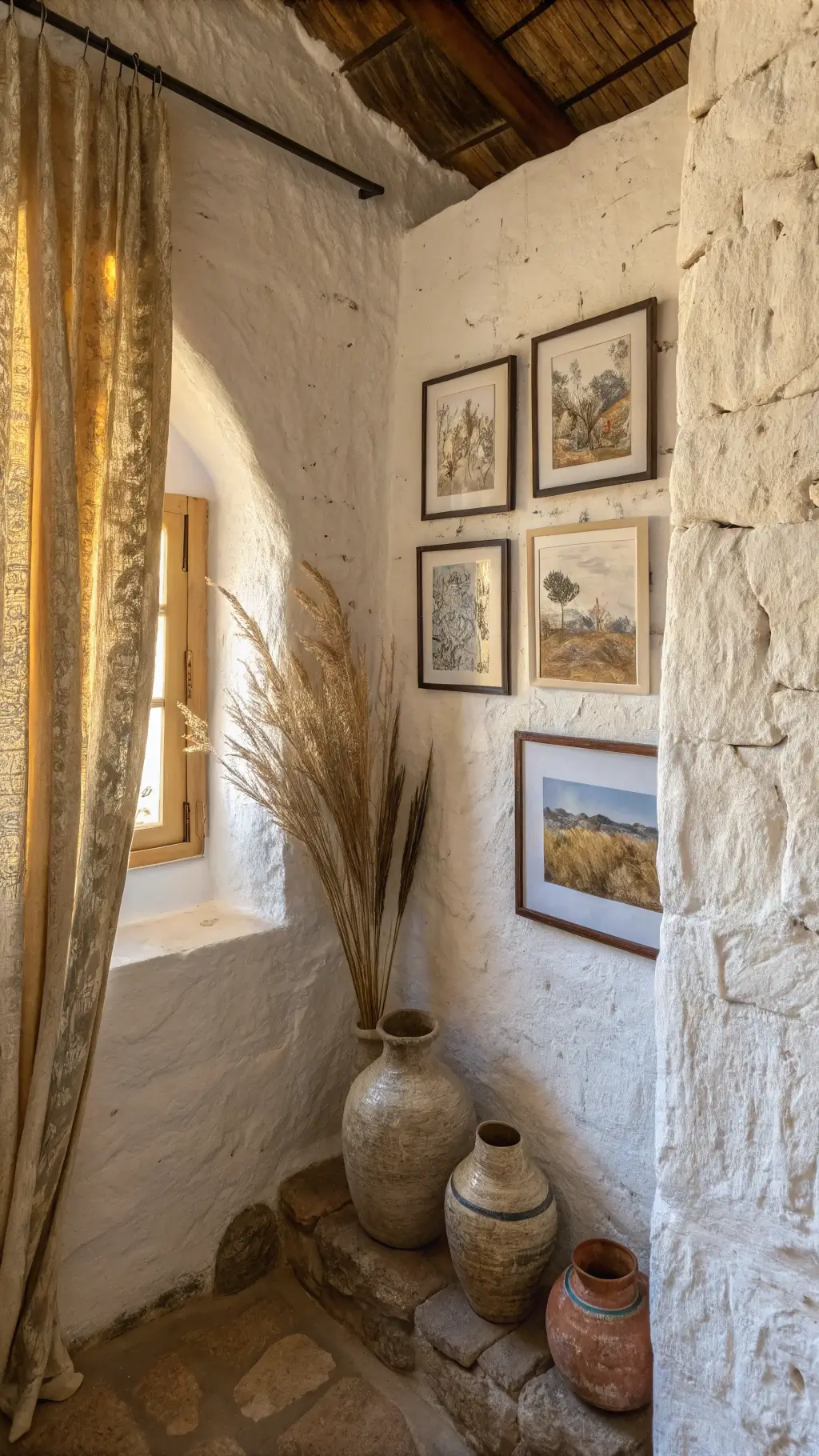
Forget smooth, pristine surfaces. Wabi sabi painting thrives on:
- Rough modeling paste
- Sand mixed into paint
- Intentional cracks
- Natural materials embedded in the artwork
You’ll find the same thinking applied in our wabi sabi bench, wabi sabi garden, and wabi sabi interior, which cover a few adjacent ideas worth a look.
2. Color Palette: Whispers, Not Shouts
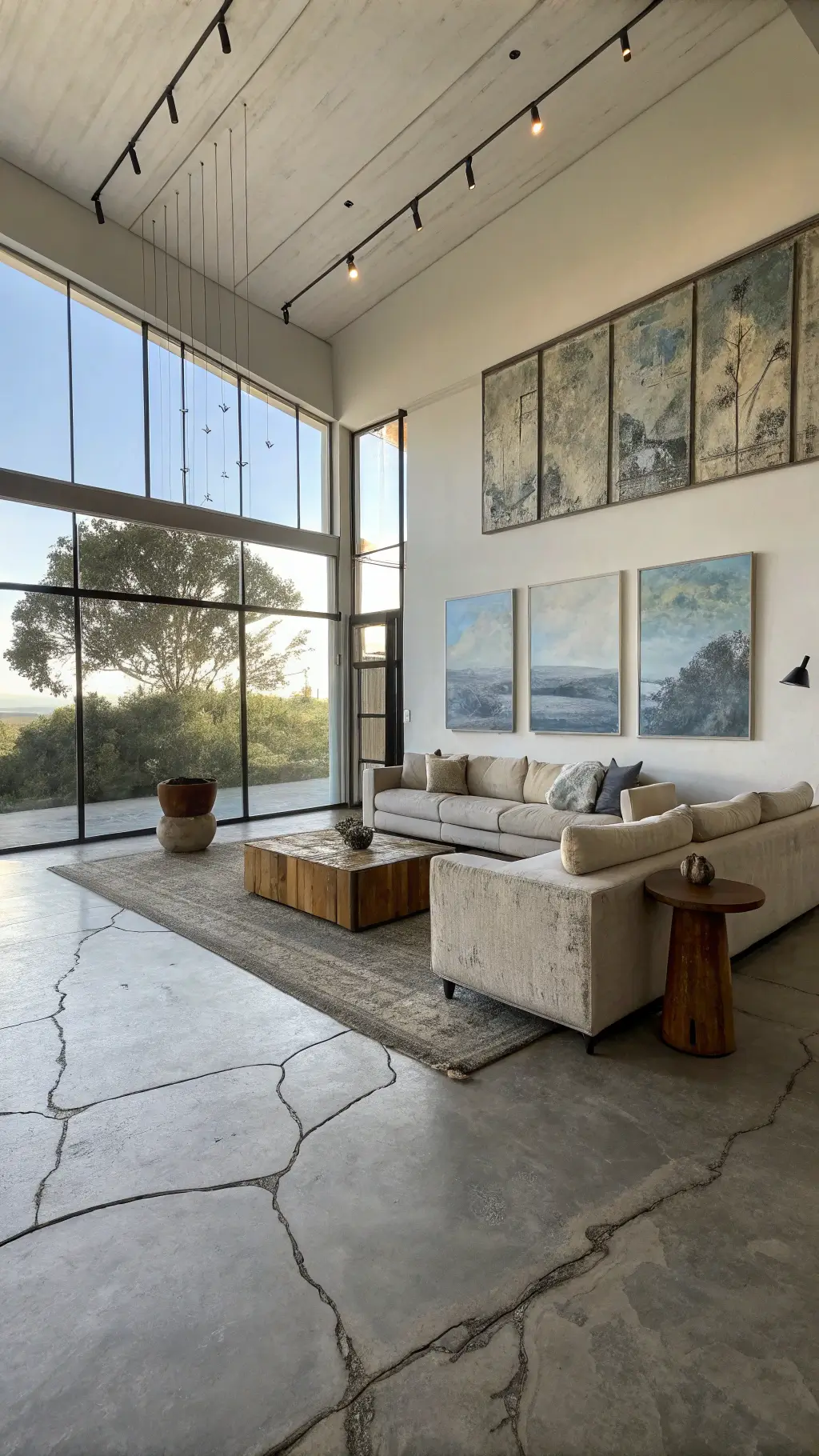
Choose colors that speak softly:
- Soft beiges
- Muted greens
- Faded blues
- Warm terracotta tones
Painting Techniques for the Wabi Sabi Artist
Tools Beyond Traditional Brushes
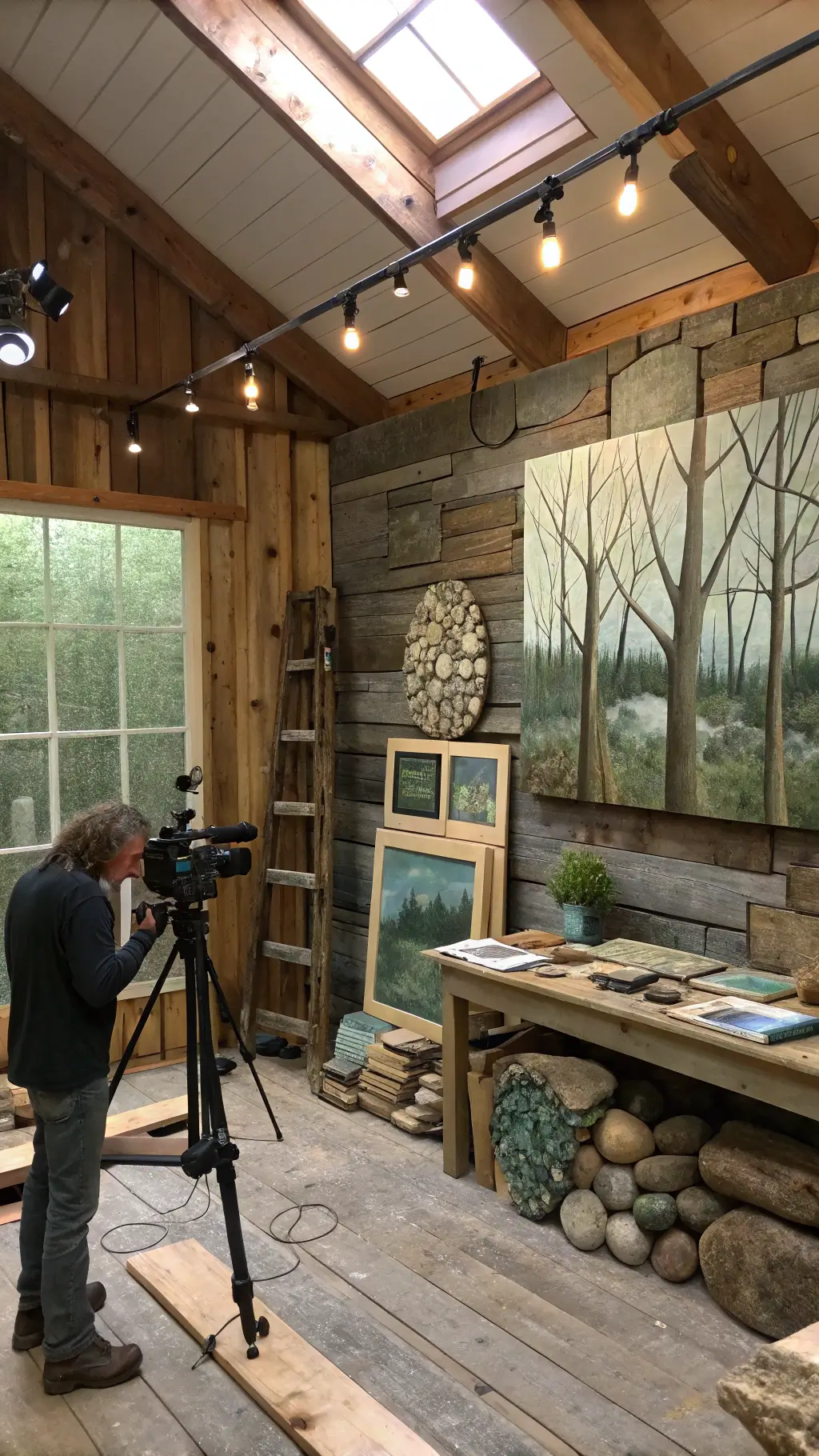
- Palette knives
- Your hands
- Found objects from nature
- Old, worn brushes
Pro Techniques
- Layer paint loosely
- Let colors bleed and pool naturally
- Press leaves or bark into wet paint
- Leave “imperfections” exposed
If the look works for you here, our wabi sabi interior, wabi sabi architecture, and wabi sabi home decor walk through related moves for nearby rooms.
Creating Your First Wabi Sabi Piece
Step-by-Step Guide
- Choose a textured canvas or create texture with modeling paste
- Select a minimal, muted color palette
- Apply paint with non-traditional tools
- Incorporate natural elements
- Allow “mistakes” to become features
Mindset Matters
Wabi sabi is less about the final product and more about:
- Embracing the creative process
- Finding beauty in impermanence
- Letting go of perfectionism
- Connecting with materials
Inspiration Sources
- Nature walks
- Minimalist photography
- Japanese pottery
- Weathered landscapes
Common Mistakes to Avoid
- Overworking the painting
- Trying to make everything symmetrical
- Using bright, saturated colors
- Forcing a precise outcome
Materials You’ll Need
- Textured canvas
- Modeling paste
- Muted acrylic or watercolor paints
- Natural materials (leaves, bark, stones)
- Palette knives
- Unconventional painting tools
Final Thoughts
Wabi sabi painting isn’t about creating a perfect artwork. It’s about capturing a moment, embracing imperfection, and finding beauty in the unexpected.
Remember: Every crack, every uneven line, every subtle color shift tells a story. Your story.
The wabi sabi painting I’m proudest of isn’t in any photo I’ve shared. It’s the corner that finally works for the way I actually live. If one idea here does that for you, the rest of the list can wait, rooms are allowed to grow slowly.